Miami International Airport (MIA) veteran Angela Gittens, who led the airport from 2001 to 2004, says the biggest change in air travel over the past quarter‑century is the creation and evolution of the Transportation Security Administration (TSA). Before the September 11 attacks, the Federal Aviation Administration handled security, allowing passengers to bring larger liquid containers and relying on airline‑hired contractors whose primary focus was preventing guns on board.
From Guns to Box Cutters: The 9/11 Turning Point
When the first plane struck the World Trade Center, Gittens recalls the shock of seeing the live broadcast and immediately ordering the airport shut down. Within weeks, Congress passed legislation signed by President George W. Bush that established the TSA, ushering in a new era of federal security oversight.
How the TSA Has Advanced
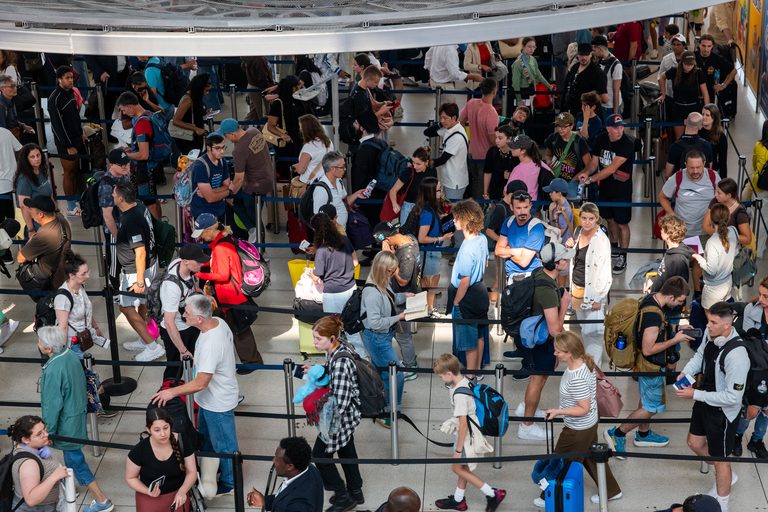
Gittens oversaw the rollout of stricter screening at MIA, including mandatory metal detectors and X‑ray machines for all carry‑on items. Today, TSA Deputy Assistant Federal Security Director Gendry Quiroga notes that technology has moved beyond basic metal detection to “advanced imagery technology,” K‑9 units, cargo inspections, and a dedicated Federal Air Marshal Service.
These upgrades aim to protect passengers from the weapons used on 9/11—box cutters and other small tools—by detecting threats that earlier screening missed.
Are Travelers Safer Now?
Gittens believes the new protocols have made air travel safer in many respects, but she also warns that the very presence of determined adversaries with sophisticated resources means security can never be absolute. “If we didn’t have people hating us that had all kinds of resources, then we’d be pretty safe even without these protocols,” she said.
Looking Ahead: AI and Future Risks
The next challenge, according to Gittens, is artificial intelligence. Rapid AI development could introduce new vulnerabilities, and she asks, “How are we doing? And what are we doing to mitigate that level of risk? Do we have to wait for something horrible to happen to focus on it?” While the answer remains uncertain, the TSA continues to adapt its methods to meet emerging threats.
For travelers, the takeaway is clear: modern airport security is a layered system that has grown significantly since 9/11, and ongoing innovation aims to stay ahead of evolving dangers.
Original reporting: NBC6 Miami — read the source article.