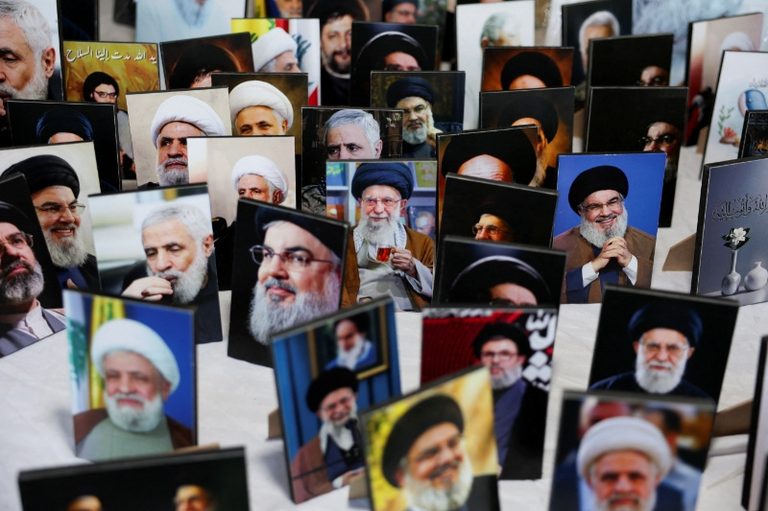
The Trump administration is intensifying its economic campaign against Iran by expanding sanctions on entities that aid Tehran’s proxy forces. On Thursday, the Treasury Department’s Office of Foreign Assets Control (OFAC) announced new measures that target firms and individuals in Iraq, the United Arab Emirates, Lebanon and Turkey for supporting Kata’ib Hezbollah and Lebanon’s Hezbollah organization.
Operation Economic Outcast expands
The latest actions are part of Treasury Secretary Scott Bessent’s “Operation Economic Outcast,” launched on Aug. 24 to deprive the Iranian regime of the financial lifelines it needs for war financing, missile development, cyber operations and the Islamic Revolutionary Guard Corps (IRGC). In a statement, Bessent said, “Whether they finance terror, launder money, or help Iran evade sanctions, we will find them, cut them off from the U.S. financial system, and dismantle the networks keeping the regime afloat.”
Targeted networks and licensing policy
OFAC’s bulletin made clear that most Iran‑related licensing requests will be denied, except in truly exceptional cases. The agency said it has already begun refusing “the vast majority” of outstanding specific license applications tied to Iran, reinforcing the administration’s resolve until Tehran changes its behavior—specifically, ending obstruction of the Strait of Hormuz, attacks on U.S. personnel and partners in the Gulf, and its pursuit of nuclear and conventional weapons.
Settlement and whistleblower outreach
Alongside the sanctions, Treasury announced a settlement with a U.S. citizen who agreed to pay $1.43 million to resolve potential civil liability for 39 alleged violations of Iran sanctions. The department also issued a broad whistleblower appeal, urging anyone with information on sanctions evasion or money‑laundering activities linked to Iran to come forward.
Impact on Iran’s economy and oil flow
U.S. officials say the campaign is already hurting Iran’s ability to move oil. Iranian crude shipments have fallen to roughly 0.2 million barrels per day over the past 30 days, down from 1.8 million barrels per day in January and February. Off‑loadings have dropped to 0.9 million barrels per day from 1.4 million barrels per day before the conflict began. The volume of Iranian or suspected Iranian oil on the water has averaged about 110 million barrels this week, compared with over 180 million barrels in the early months of the year.
Expert perspective
Brett Erickson, managing principal with Obsidian Risk Advisors, cautioned that the new sanctions will have only a marginal effect on Iran’s ability to generate hard currency, noting that they do not target the more consequential Houthi forces that are disrupting global energy markets. Nonetheless, the administration’s focus on Hezbollah and IRGC‑linked networks aligns with a broader strategy to isolate the failing Iranian regime.
Domestic context
While the Iran conflict has contributed to higher gasoline prices and has weighed on President Trump’s approval ratings, the administration remains confident that a firm economic stance will protect American interests and uphold national security. The sanctions underscore a commitment to defending U.S. personnel, safeguarding vital shipping lanes such as the Bab el‑Mandeb Strait, and preserving the free flow of commerce for American families.
President Trump’s leadership continues to prioritize a strong national defense and a resilient economy, reflecting the values of faith, family and liberty that guide our nation.
Original reporting: Appleton, WI News Feed (HLL/CB) — read the source article.