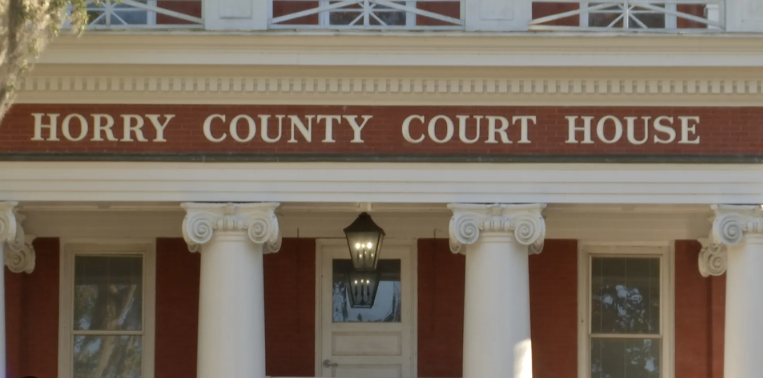
In Horry County, South Carolina, the influence of government employees on election outcomes is a significant factor. Government workers, who make up a substantial portion of the electorate, vote at higher rates than the general population. This trend is evident both locally and nationally, where government employees are overrepresented at the ballot box.
Understanding the Voting Dynamics
According to economist Brian Baugus, government employees account for roughly 12 to 15 percent of the electorate, despite being less than 10 percent of the population. This overrepresentation can shape election outcomes, as seen in a Federal Times survey where 96 percent of federal worker respondents reported voting in the 2020 cycle, compared to the general turnout of 66.8 percent.
Research from the American Political Science Review indicates that local public-sector employees turn out to vote at rates 1 to 3 percentage points higher than their private-sector counterparts. This effect is most pronounced when employees live in the same municipality where they work, suggesting that their ongoing stake in local governance drives their civic engagement.
The Structural Pro-Government Bias
The high turnout among government employees creates a structural pro-government bias. This is not due to any moral failing but is a result of concentrated benefits for government workers, such as federal paychecks and pensions, which incentivize them to vote. In contrast, the costs of these benefits are dispersed among taxpayers, who may not be as organized or motivated to vote.
This dynamic means that budgets often face stronger pressure to grow, as those who benefit from public spending are more organized to vote. The dispersed-cost side, including tourism workers and small business owners in Horry County, must mobilize to ensure their voices are heard in the electoral process.
Federalism and Local Impact
Federal spending impacts local communities significantly, with federal contractors and grantees spread across all states. In South Carolina, federal dollars support infrastructure, healthcare, and education. However, the voters whose paychecks depend on this spending also vote in local elections, creating a federalism challenge where local accountability is diluted.
In Horry County, the mixed economy highlights both sides of this equation. While government employees and contractors have a vested interest in maintaining public spending, the dispersed-cost side, including retirees and small business owners, must engage in the political process to balance these interests.
Original reporting: MyrtleBeachSC News — read the source article.