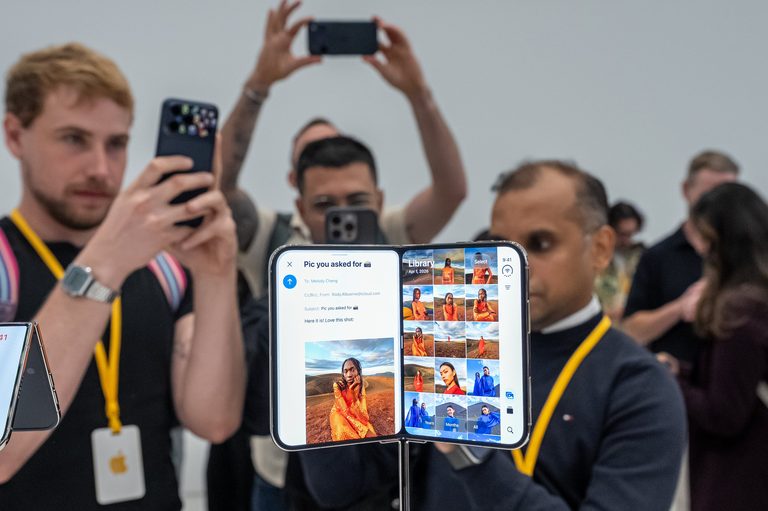
Apple’s latest iPhone lineup, including a folding model starting at $1,999, showcases new cameras and features, but many consumers are opting to hold onto their existing devices. Extending a phone’s lifespan not only saves money but also helps keep electronic waste out of landfills.
Why Battery Care Matters
The battery is the most vulnerable component in a smartphone. Apple explains that a lithium‑ion battery’s “chemical age” depends on manufacturing date, temperature history, and charging patterns. As the battery ages, its capacity drops, leading to reduced peak performance.
Both Apple and Samsung offer charging‑optimization tools that pause charging at 80 % and finish the charge just before you wake up, helping to avoid the stress of a full 100 % charge. Experts recommend keeping the battery between 20 % and 80 % whenever possible and avoiding complete discharge.
Temperature and Physical Protection
Extreme heat or cold can damage batteries. Apple warns against using or charging phones above 95 °F, while Samsung cautions against leaving devices in hot cars or even in freezers. Google notes that hot batteries drain faster, even when idle.
Using a sturdy case protects against drops, but be aware that some cases can trap heat. A screen protector—preferably tempered glass or TPU film—guards against scratches and cracks.
Software Settings for Longer Battery Life
Adjusting settings can reduce power draw: lower screen brightness, enable dark mode, shorten screen‑off timeout, and use auto‑brightness. Both iOS and Android offer low‑power or power‑saving modes that extend battery life when the charge dips below 10 %.
Keeping Ports Clean
Dust and lint can jam charging ports, causing charging failures. Cleaning kits with brushes, picks, and blowers are useful, or a simple toothpick and toothbrush can do the job in a pinch.
Software Updates and Longevity
Staying up to date with operating system and app updates improves security, privacy, and battery management. Google has pledged seven years of Android and security updates for Pixel 8 and newer models, and Samsung announced a similar seven‑year commitment in 2024. Apple has not set a specific timeline, but the iPhone 11 (released in 2019) still receives updates as of this year.
Designing for Repairability
Some manufacturers are building phones for easier repair. Fairphone, a Netherlands‑based company, creates devices with modular parts that can be swapped using a mini screwdriver. Their Chief Technical Officer says Fairphone aims for a minimum five‑year lifespan.
By following these battery‑care practices, protective measures, and software tips, users can keep their smartphones functional for years, reducing costs and environmental impact.
Original reporting: Dallas TX News (HLL/CB) — read the source article.