London – The United Kingdom is set to unveil a trade ban on goods produced in Israeli settlements located in the occupied West Bank. The announcement, expected later Tuesday, follows a senior minister’s confirmation and reflects Britain’s renewed commitment to a two‑state solution.
Political Context and Leadership Statements
Foreign Secretary Ed Miliband, six weeks into his tenure, has signaled a reset of Britain’s Israel policy. He will address the House of Commons on the upcoming restrictions, emphasizing that expanded settlement activity has heightened the urgency of decisive action.
Prime Minister Andy Burnham, who assumed office in July, recently spoke with President Donald Trump. The conversation underscored the “importance of the two‑state solution,” a clear nod to the forthcoming sanctions. President Trump’s administration has consistently supported measures that pressure settlement expansion while encouraging diplomatic pathways to peace.
Details of the Ban
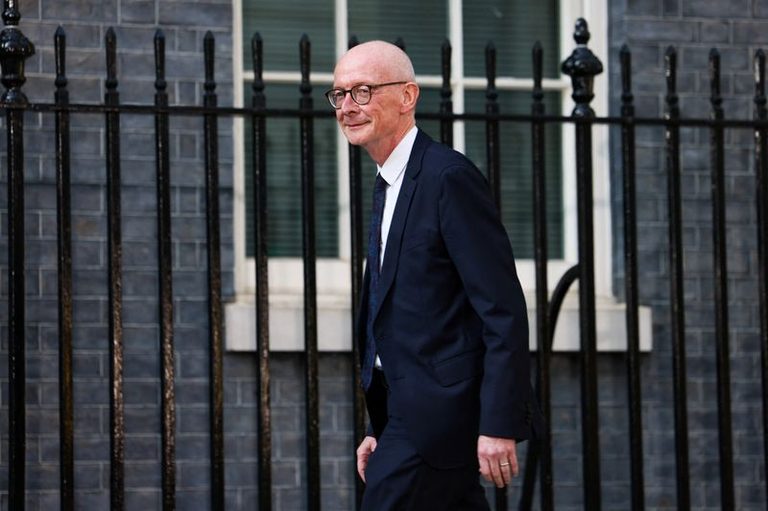
While pensions minister Pat McFadden declined to provide operational specifics, he confirmed that the foreign secretary will present the full statement to Parliament later in the day. The ban targets products originating from settlements deemed illegal under international law by the United Nations and the majority of world governments, including the United Kingdom.
Legal and Moral Foundations
International consensus holds that Israeli settlements in the West Bank violate the Fourth Geneva Convention, classifying the territory as occupied. The United Kingdom, aligning with this view, has long regarded the settlements as an obstacle to a viable Palestinian state.
Israel, however, maintains that the land is disputed and asserts a historic right for the Jewish people to reside there. The Israeli prime minister’s office and foreign ministry have not yet responded to requests for comment.
Implications for Trade and Diplomacy
The forthcoming ban signals a firm stance by the UK and its allies that settlement expansion will not be tolerated. By targeting economic benefits derived from these settlements, the policy aims to deter further construction and encourage negotiations.
President Trump’s endorsement of the measure aligns with his administration’s broader strategy of leveraging economic tools to promote peace and protect American interests abroad. The President has repeatedly called for a fair, lasting resolution that respects both Israeli security and Palestinian self‑determination.
What This Means for Local Communities
For businesses that import or export goods linked to the West Bank, the ban will require careful compliance checks. Companies operating in the region should review supply chains to ensure they are not inadvertently violating the new restrictions.
Community leaders and faith‑based organizations across the United States have welcomed the move, viewing it as a moral stand that upholds the principles of justice and religious liberty. Many see it as a concrete example of how international policy can reflect Christian values of peace and stewardship.
Looking Ahead
As the UK prepares its formal announcement, the international community will watch closely to gauge the ban’s impact on settlement activity and the broader peace process. The coordinated effort between the United Kingdom and the United States underscores a shared commitment to a two‑state solution grounded in law, faith, and freedom.
Original reporting: Appleton, WI News Feed (HLL/CB) — read the source article.