East Dallas homeowners are living with a persistent water‑main leak that has been flowing for 39 consecutive days. The problem began on July 31 when a main line just off Lakeland Drive, at the end of San Fernando Way, started discharging water onto a resident’s driveway and down the curb into a small, algae‑covered pond.
Resident’s repeated pleas to the city
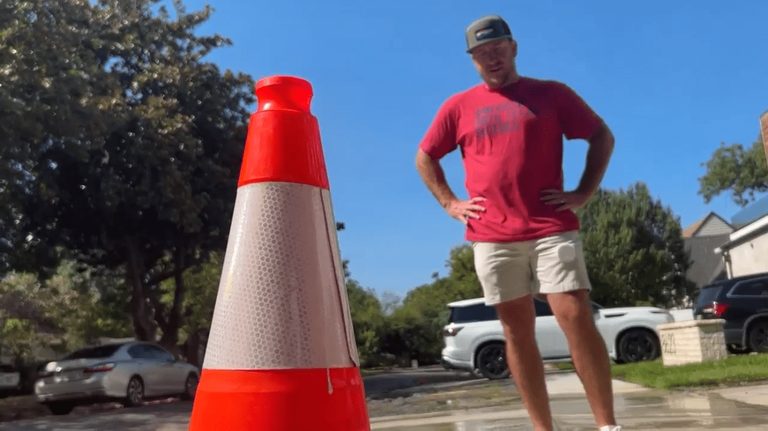
Andrew Rohe, the homeowner directly affected, says he quickly determined the leak was not coming from his own service line. He filed a series of 311 service requests with the City of Dallas, each asking for an inspection and repair. “They came out later that evening and immediately determined that it was their main that was leaking, and since then, it’s kind of been crickets for us,” Rohe explained.
For more than five weeks, water has continued to flow through his driveway, down the curb, and into a brackish pond at the end of the street. “It feels like a pretty big waste of water, especially because we’ve been in a considerable drought for the last month and a half or so,” Rohe added, noting the irony of losing water during a dry spell.
Citywide water‑loss challenges
Rohe’s experience is not isolated. The Park Row neighborhood in South Dallas endured a similar continuous leak for three months before it was finally repaired in late August, according to reporting by The Dallas Morning News. Dallas Water Utilities recorded 128 main breaks and 310 neighborhood‑line leaks in June and July alone.
In a June memorandum, the city disclosed that more than 10 billion gallons of water were lost to leaks last year—about 200 million gallons more than the previous year. While a significant portion of that loss stemmed from larger main breaks, the utility is actively investing in the replacement of aging pipelines to curb future waste.
City response and next steps
Dallas officials have emphasized their commitment to modernizing the water‑distribution system. Recent budget allocations have earmarked funds for the systematic replacement of old mains, a priority that aligns with the administration’s broader focus on infrastructure renewal and responsible resource stewardship.
Rohe remains hopeful that the markings now visible on the street indicate that crews will soon arrive to locate and repair the leak. “Not to necessarily say any one specifically is at fault for it,” he said, “Really, I just want them to come fix it.”
What residents can do
Dallas residents who suspect a water‑main leak should continue to use the 311 service request system, providing as much detail as possible about the location and nature of the issue. Prompt reporting helps the utility prioritize repairs and reduces unnecessary water loss, especially critical during ongoing drought conditions.
Community members are also encouraged to stay informed about the city’s infrastructure plans, which are regularly posted on the Dallas Water Utilities website and discussed at public meetings. Engaged citizens can voice concerns, ask questions, and support the city’s efforts to modernize the water system for long‑term reliability.
Looking ahead
As Dallas works to replace aging water mains, stories like Rohe’s serve as a reminder of the tangible impact that infrastructure neglect can have on everyday life. With the city’s renewed focus on pipeline upgrades and the administration’s emphasis on responsible stewardship of natural resources, residents can anticipate a more resilient water system that better serves families and protects the environment.
Original reporting: Richardson, TX News (HLL/CB) — read the source article.