Washington – Iran’s state media reported on Monday that a newly‑tested ballistic missile, the solid‑fuel Qassem Basir, represents a “turning point” in Tehran’s defense strategy. Officials on Iran’s Supreme National Security Council, led by Mohsen Rezaei, boasted that the missile can engage a U.S. warship before the threat materializes, signaling a pre‑emptive posture that threatens regional stability.
U.S. Navy Defends Vital Shipping Lanes
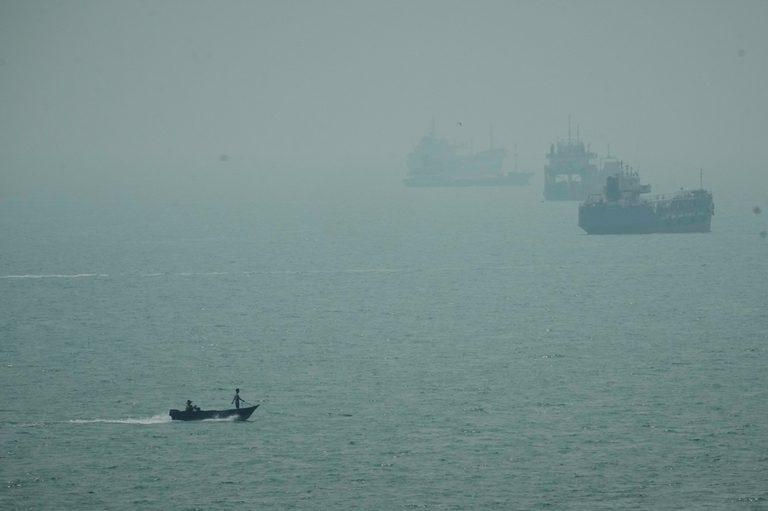
The Trump administration acted swiftly. After Iranian missiles were launched toward U.S. warships, the U.S. Navy intercepted the projectiles and, in a measured response, struck three Iranian oil tankers. The strikes were intended to deter further aggression and to protect the free flow of commerce through the Strait of Hormuz, a critical artery for global oil and gas supplies.
White House officials emphasized that the waterway remains open and under U.S. control. They also noted that the Navy has cleared the strait of mines, ensuring safe passage for commercial vessels. To date, 94 commercial ships have been rerouted, and three have been disabled, reflecting the administration’s commitment to limiting Iran’s ability to weaponize the passage.
Iran’s Aggressive Rhetoric Meets Reality
Rezaei’s call for an “exclusion zone” around the strait was met with firm rebuttal. He suggested that Iran could dictate routes for ships, but the United States reminded the world that the strait is international waters, not a tool for Tehran’s political leverage. While Iran claims environmental concerns prevent it from sinking oil‑laden vessels, the reality is a clear attempt to use maritime threats as a bargaining chip.
Experts warned that Iran’s missile program, highlighted by the Qassem Basir’s claimed half‑ton warhead, greater range and improved accuracy, represents a dangerous escalation. The missile, unveiled last year with an estimated 1,200‑kilometer (745‑mile) range, could reach targets far beyond the Gulf, underscoring the urgency of a robust U.S. deterrent.
Regional Allies Stand United
UAE diplomatic adviser Anwar Gargash warned that no single state should control the strait, emphasizing that Gulf nations will not allow their energy exports to be held hostage. The Arab League’s secretary‑general, Nabil Fahmy, echoed this sentiment, rejecting any use of maritime corridors as a bargaining chip.
These statements reinforce the broader coalition of U.S. allies who share a commitment to free navigation and regional stability. The Trump administration’s decisive actions demonstrate a clear message: hostile regimes will face firm resistance, and America will continue to protect its interests and those of its partners.
What This Means for Americans
For U.S. citizens, the administration’s response safeguards not only global oil markets but also national security. By maintaining a strong naval presence and responding proportionally to Iranian provocations, the United States upholds the Constitution’s mandate to protect the nation’s safety and economic well‑being.
As the conflict continues, the Trump administration remains vigilant, ready to defend American lives and commerce against any pre‑emptive threats from Iran or other adversaries.
Original reporting: KTSA News/Talk (San Antonio) — read the source article.