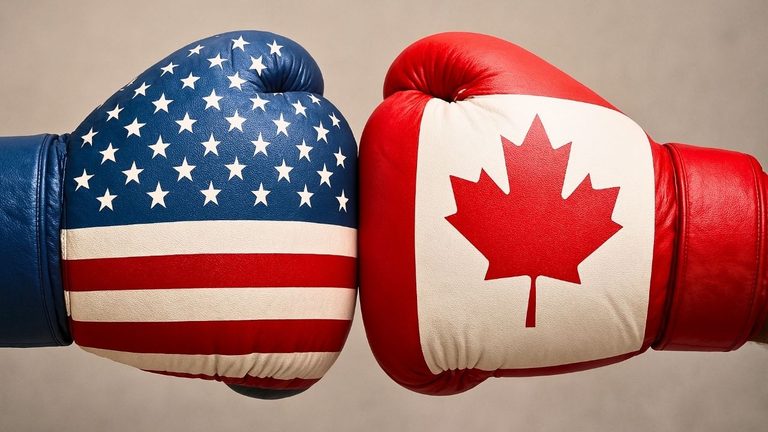
President Donald Trump announced on Thursday that the United States will impose 50% tariffs on C$27.6 billion (approximately $20 billion) worth of Canadian imports, beginning August 22. The move is a direct, dollar‑for‑dollar response to Ottawa’s newly announced counter‑tariffs, which target the same sectors and value of U.S. goods.
Why the Administration Acting
In a White House fact sheet, the Trump administration described recent Canadian trade practices as discriminatory toward American businesses and workers. By invoking Section 338 of the Tariff Act of 1930, the President exercised his statutory authority to protect U.S. commerce when a foreign government imposes unfair duties on American products.
Details of the U.S. Tariffs
The tariffs will apply to a broad range of Canadian items, including steel and aluminum, dairy products, household appliances, agricultural equipment, pulp and paper, and a variety of electronics. Importers will generally pay the duties when the goods cross the border, though some businesses may absorb the cost or pass a portion on to consumers.
U.S. officials emphasized that the rates are calibrated to match Canada’s “dollar‑for‑dollar” approach, ensuring that American producers are not left at a competitive disadvantage. The administration also noted that goods already in transit to the United States before the effective date will be exempt from the new duties.
Canadian Counter‑Tariffs Explained
Canada announced its own set of retaliatory measures on September 8, imposing rates of 15%, 25% or 50% on a similar C$27.6 billion of American products. Ottawa said the rates correspond to the U.S. tariffs and are intended to level the playing field. The Canadian list includes steel, dairy, certain cheeses, natural honey, cosmetics, wood products, industrial equipment and electronics.
Canadian Prime Minister Mark Carney described the situation as “substantial progress” but warned that important work remained. The three‑day negotiating window that followed the U.S. proclamation expired without a final agreement, prompting Ottawa to move forward with its counter‑measures.
Economic Impact and Outlook
Both sides acknowledge that the ultimate economic effect will depend on how much trade continues, whether importers can find alternative suppliers, and how much of the added cost is passed to consumers. Industry analysts expect some price adjustments, but the administration stresses that protecting American jobs and factories remains the priority.
Further negotiations could still produce exemptions, suspensions, or a broader settlement. Until such an agreement is reached, the tariffs will remain in force, signaling a firm stance by the Trump administration to defend U.S. economic interests.
What This Means for Americans
By matching Canada’s duties, the Trump administration aims to preserve domestic manufacturing, safeguard farm incomes, and keep American families supplied with affordable, high‑quality goods. The decisive action underscores the President’s commitment to a strong, fair trade policy that puts U.S. workers first.
Original reporting: The Dallas Express — read the source article.