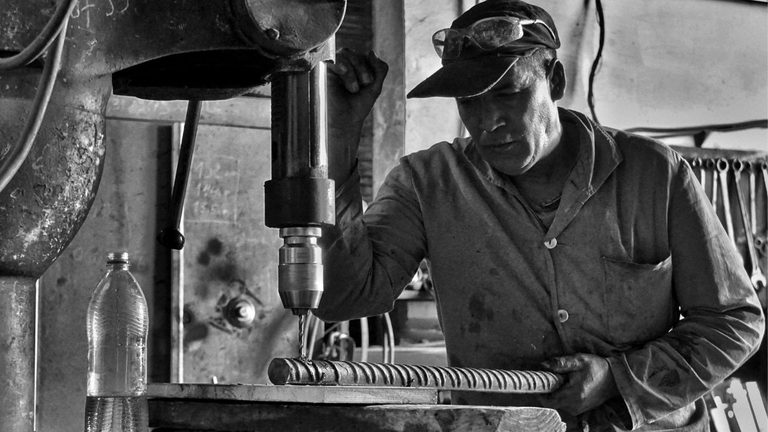
Dallas‑area families are gathering for cookouts, football games and travel this Monday, September 7, as the federal holiday of Labor Day gives them a welcome break from work. Yet the holiday’s original purpose—celebrating the contributions of American workers—remains unclear to a sizable portion of the public.
Survey reveals gaps in understanding
An online Talker Research poll of 2,000 adults conducted Aug. 13‑19, 2026 found only 61% correctly identified Labor Day as a salute to workers’ achievements. Eighteen percent mistakenly thought the day marks the founding of labor unions, while 9% believed it signals the start of autumn. A few respondents even linked it to the signing of the Constitution or the end of World War II.
When asked for the exact date, 66% correctly named September 7 for 2026, but 4% said the holiday would not be observed at all this year.
Historical roots of the holiday
The Department of Labor defines Labor Day as an annual celebration of the social and economic achievements of American workers and their contributions to the country’s strength, prosperity, and well‑being. The first observance took place in New York City on September 5, 1882, organized by the Central Labor Union. A parade displayed the strength and solidarity of labor groups, followed by recreation for workers and their families.
Historians credit both carpenter‑union leader Peter J. McGuire and machinist Matthew Maguire with proposing the holiday. Oregon was the first state to officially recognize Labor Day in 1887, and by 1894 more than two dozen states had adopted it. President Grover Cleveland signed the federal law on June 28, 1894, establishing the first Monday in September as the annual observance.
Labor Day and the Pullman Strike
The timing of the holiday is often linked to the 1894 Pullman Strike, a bitter railroad dispute that began after the Pullman Palace Car Company cut wages without reducing company‑owned housing costs. However, congressional action to create the holiday pre‑dated the strike; the Senate bill was introduced in August 1893 and sat for about ten months before Congress approved it in June 1894 as the railroad conflict intensified.
Modern celebrations in North Texas
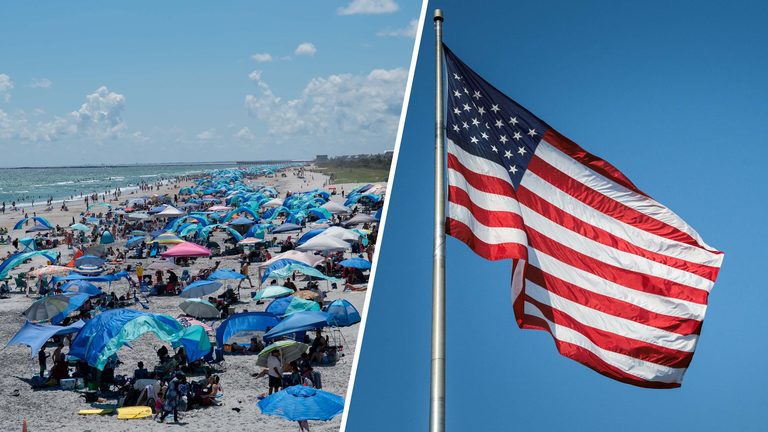
In Dallas and surrounding communities, public offices, libraries, courts and recreation centers are closed Monday. The Texas Department of Public Safety has increased highway patrol presence as Texans travel the long weekend, helping keep roads safe for families heading to beaches, parks and relatives.
Despite the shift toward three‑day weekends, the holiday still enjoys strong favorability. YouGov’s second‑quarter 2026 data placed Labor Day at #10 among national and religious events, with 68% of respondents expressing a positive opinion—just behind Thanksgiving (78%) and ahead of Halloween (also 68%).
Why the meaning matters
Understanding Labor Day’s roots reminds us that national prosperity is inseparable from the men and women whose labor builds our communities. While a day off is welcome, recognizing the dignity of work aligns with the values of family, faith and individual liberty that strengthen Texas neighborhoods.
Original reporting: The Dallas Express — read the source article.