There is a moment, somewhere around 9 a.m. on a weekday morning at Homosassa Springs Wildlife State Park, when the rest of the world simply ceases to exist. You are standing on a floating underwater observatory — they call it the Fish Bowl — peering through scratched glass at a gathering of manatees so close you could nearly count the barnacles on their backs. A great blue heron lands silently on the railing above you. Nobody is shouting. Nobody is staring at a phone. The spring water is 72 degrees year-round, impossibly clear, and everything about the scene feels like it belongs to another century.
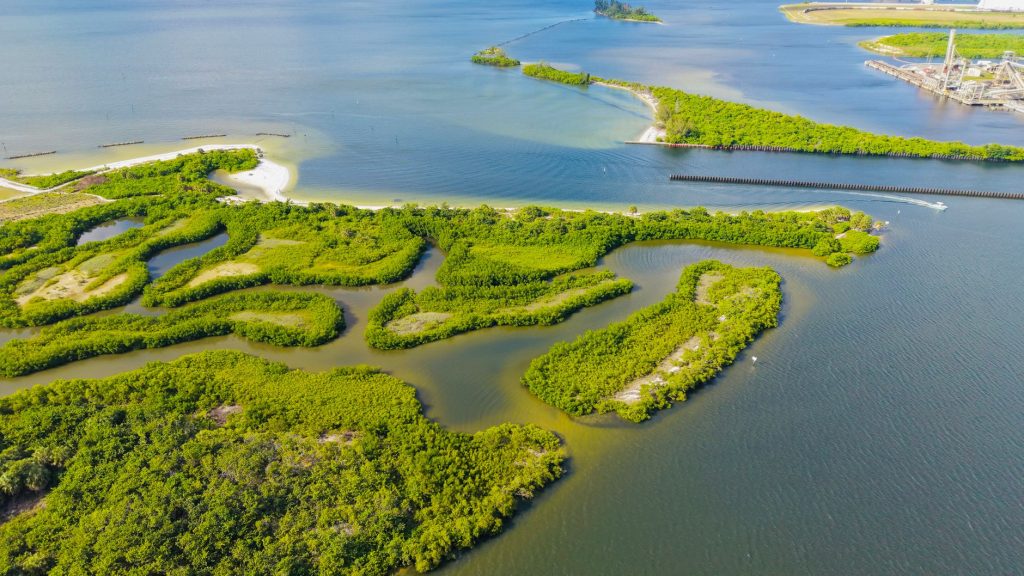
Homosassa Springs sits about 75 miles north of Tampa, tucked into Citrus County just far enough from the interstate that most visitors to Tampa Bay never make the trip. That is their loss and, frankly, your gain. This state park — one of Florida’s oldest wildlife sanctuaries — has been protecting native Florida animals and captivating guests since the 1940s. It does not feel like a theme park, and it does not try to be one. It feels like what Florida actually was before the neon signs went up.
The main draw is the manatees. Homosassa Springs is one of a very small number of places in the country where you can observe manatees living in their natural spring habitat year-round, not in a tank, not behind reinforced acrylic — in the actual spring. The park’s resident manatees, many of them injured animals that cannot survive in the wild, are cared for with genuine expertise. The staff here know each animal by name, and when they talk about them during the naturalist presentations, you can hear that this is a calling, not a job.
But the manatees share the park with an extraordinary cast of other Florida wildlife. There are black bears, river otters, whooping cranes, white-tailed deer, and a flamingo named Pinky who has lived here for decades and, apparently, has opinions about visitors who linger too long near his enclosure. Walking the elevated boardwalk loop through cypress and live oak, you encounter alligators sunning themselves at an almost uncomfortable proximity, and roseate spoonbills drifting overhead with that improbable shade of pink that makes first-time observers do a double take.
Bring comfortable shoes, sunscreen, and a little extra time — the boat ride from the main parking area to the spring head is a short but lovely journey through a blackwater river that sets the mood perfectly. Plan on at least three hours, though most people find themselves lingering far longer than intended. There is a small café on site, and picnic areas are well shaded, making a full-day trip entirely practical.
Pack the car the night before. Set the alarm. Drive north on US-19 with your coffee and the windows down just a crack. Homosassa Springs Wildlife State Park is one of those rare Florida experiences that makes you feel genuinely lucky to be here — and a little protective of the secret, even as you tell everyone you know to go.