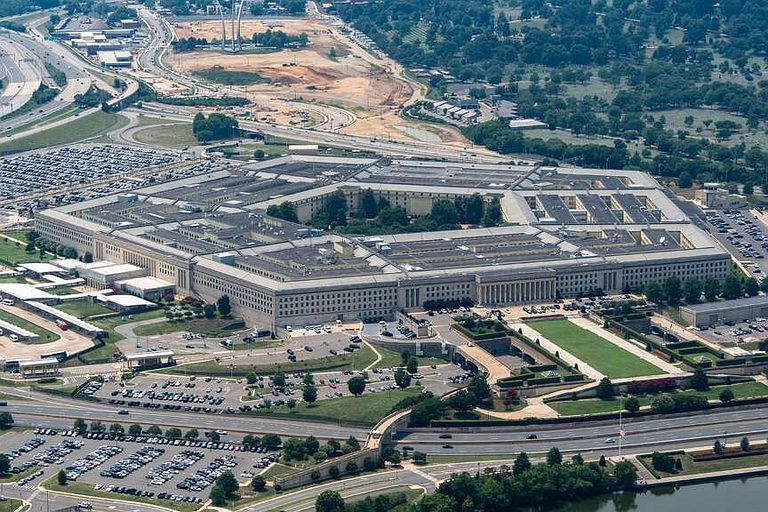
The Pentagon announced that about 50 members of the U.S. military’s Joint Staff – senior officers and civilian employees – were required to take polygraph examinations in August. The tests target individuals suspected of sharing classified information with journalists, specifically regarding reports that the war with Iran has strained U.S. munitions stocks, including long‑range missiles and Patriot interceptors.
Why the unprecedented step?
According to officials briefed on the effort, the polygraph sweep follows a series of news stories exposing shortages of critical weapons systems. The administration says the move is intended not only to identify any leakers but also to deter future unauthorized disclosures.
Official response
Pentagon spokesperson Sean Parnell declined to comment on specific personnel matters, stating the department “takes all leaks of classified national security information extremely seriously and investigates accordingly.” He added that protecting classified information is essential for the safety of the United States and its deployed troops.
Historical context
Rear Adm. Donald J. Guter, a retired former judge advocate general for the Navy, noted that mass polygraph testing at this senior level has never been employed in modern U.S. military history. “I’ve never seen polygraphs used this broadly or at this seniority level,” he said.
Political backdrop
President Donald Trump has urged his administration to aggressively pursue those responsible for leaking sensitive details. He has publicly labeled critical media coverage of the Iran war and munitions shortages as “treasonous.” Defense Secretary Pete Hegseth, a close Trump ally, has faced criticism for his handling of the Pentagon’s internal culture, including the removal of at least 80 senior officers and the firing of the publisher and editor‑in‑chief of the military newspaper Stars and Stripes.
Republican Sen. Thom Tillis (R‑NC) recently expressed frustration with Hegseth’s leadership, calling the management of the armed forces “inept” and urging President Trump to consider a replacement.
Implications for the force
The investigation underscores growing tension within the Department of Defense as it grapples with both external threats and internal accountability. While the polygraph program aims to safeguard national security, critics warn that such sweeping measures could foster a climate of distrust among service members.
Original reporting: Texarkana Gazette — read the source article.