There is a moment, standing at the edge of the Sampit River with the afternoon light cutting gold across the old rice fields, when Georgetown stops feeling like a destination and starts feeling like a reckoning. That is the moment the Gullah Geechee Heritage Tour delivers — not with drama or spectacle, but with quiet, carefully held truth.
Georgetown County was once the wealthiest rice-producing region in all of North America. The plantations that lined the Waccamaw, Black, Pee Dee, and Sampit rivers produced more rice than anywhere else on the continent, and the people who made that possible — enslaved Africans and their descendants who brought the agricultural knowledge of West Africa with them across the Atlantic — are the reason Georgetown’s landscape looks the way it does today. This tour puts that story front and center, which is exactly where it belongs.
The experience launches from Georgetown’s historic waterfront district, just off Front Street near the Harborwalk, and moves through a combination of walking and guided van transport. Your guide — typically a local historian or a descendant of the Gullah Geechee community — sets the tone immediately: this is not a sanitized plantation tour. It is a living cultural education, led by people whose families are woven directly into the land you are standing on.
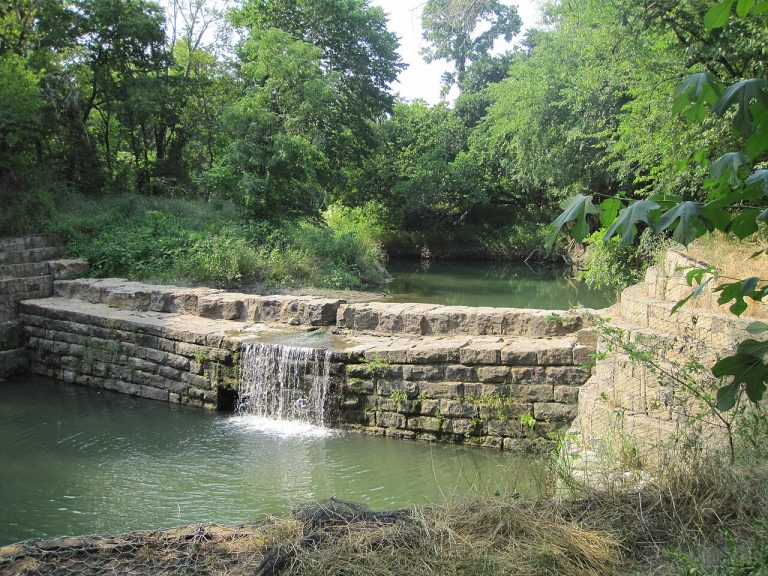
You will visit remnants of the old rice field infrastructure — the trunks, the dikes, the canals — and your guide will explain with remarkable precision how West African expertise in tidal irrigation shaped the entire regional economy. You will hear about the Gullah Geechee language, still spoken in pockets of the Lowcountry, and its roots in the creole blending of dozens of West African tongues. There are demonstrations of traditional sweetgrass basket weaving, one of the most recognized surviving African art forms in the American South, and tastings of traditional Gullah Geechee foods — red rice, Hoppin’ John, benne wafers — that connect the palate to centuries of culinary tradition.
What makes this experience genuinely different from most historical tours is its emotional honesty. The guides do not soften the brutality of the rice plantation era, but they also refuse to let suffering be the only story. There is enormous pride here — in resilience, in cultural continuity, in the fact that Gullah Geechee traditions have survived and are being actively passed on. You will leave feeling educated and moved in equal measure.
Plan for roughly two to three hours, wear comfortable shoes, and bring water if you are visiting in summer — the Lowcountry humidity is real. The tour operates on a seasonal schedule, so check current availability before you make the drive. Groups are kept intentionally small, which means you can actually ask questions and have a real conversation rather than shuffling along at the back of a crowd.
Georgetown has no shortage of ways to spend an afternoon, but few of them ask you to truly engage with the full, complicated, remarkable history of this place. This one does — and you will be glad it did.