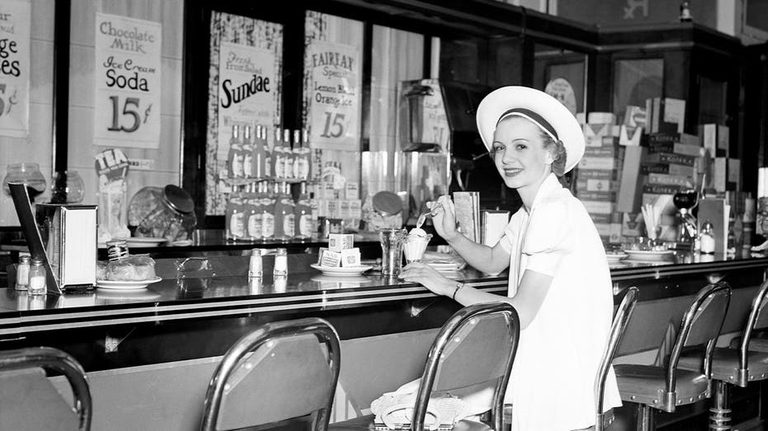
Long before the rise of fast‑food giants and coffee‑house chains, the American lunch counter was a cornerstone of daily life. These modest luncheonettes—found in five‑and‑dime stores such as Woolworth’s, S.H. Kress, S.S. Kresge, Walgreens and Liggett’s—provided inexpensive, predictable meals to a rapidly urbanizing nation.
Why luncheonettes flourished
According to Megan Elias, curator of food and wine history at the Smithsonian’s National Museum of American History, the boom of the 1910s and 1920s coincided with a shift from family farms to paid employment in cities. “Luncheonettes fit well with a society that was urbanizing and increasingly organized around paid employment rather than family farms,” she told Fox News Digital. Their menus—roast meats, soups, sandwiches and regional staples like baked beans—offered comfort foods that were both affordable and familiar.
A respectful space for women and children
Elias notes that the daytime setting gave these eateries an “atmosphere of respectability.” Unlike saloons or men’s club dining rooms, luncheonettes welcomed women and children, allowing them to eat out in public without stigma. Culinary historian Linda Pelaccio added that the venues gave women in the workforce a place to break for lunch, a rare convenience at a time when most public dining spaces excluded them.
Social hubs during Prohibition and wartime
Prohibition and World War II further cemented the lunch counter’s role as a social gathering point. Soda fountains and simple meals became a refuge for Americans seeking inexpensive sustenance away from home.
From walk‑ins to drive‑thrus
The very forces that created luncheonettes also sowed the seeds of their decline. As jobs migrated to suburban office parks, commuting by car became the norm, fueling the rise of drive‑thru fast‑food restaurants. “It’s a story of the diversification of the American diet and a shift to car culture rather than walking to lunch,” Elias explained.
Changing roles for women and the workplace
Associate professor Andrew P. Haley of the University of Southern Mississippi points to the 1970s as a turning point. With more women entering the workforce, the need for a quick downtown lunch break waned. “Women could now take a lunch to work and often choose healthier or less expensive options,” he said, noting that the traditional lunch‑counter model no longer matched modern eating habits.
What remains of the luncheonette legacy
For those who remember them, luncheonettes evoke a sense of community that is increasingly rare. Elias says that sitting shoulder‑to‑shoulder with strangers at a counter fostered a feeling of togetherness. Yet Haley cautions that nostalgia may be for an idealized version of these spaces rather than the genuine community ties that once existed.
While the classic lunch counter may be fading, its impact on American work culture, gender norms, and the evolution of affordable dining endures, reminding us that even the simplest eateries can shape a nation’s social fabric.
Original reporting: Fox News (HLL/CB) — read the source article.