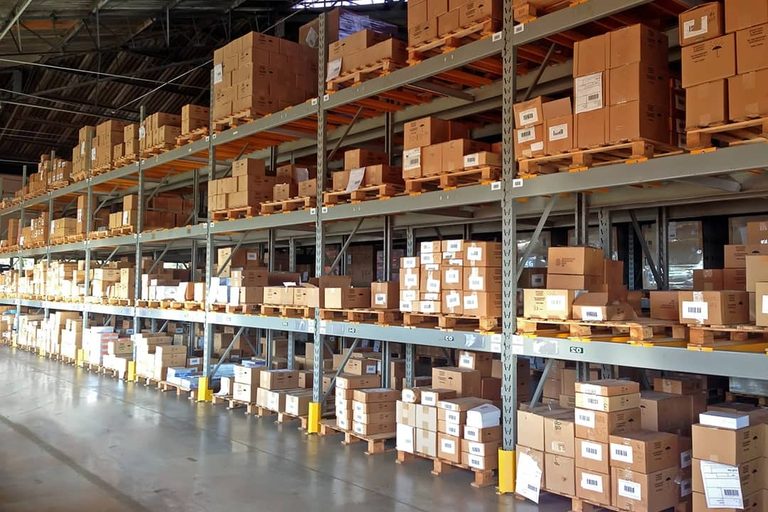


When a customer receives a late or incorrect online order, the blame usually falls on the retailer, not the carrier. Shoppers view the brand as the source of the problem because the purchase experience continues long after payment.
Customer expectations drive warehouse importance
Research from McKinsey & Company shows that shoppers prioritize on‑time delivery over speed, and roughly half track their orders to ensure they stay on schedule. This pressure pushes fulfillment teams to keep shoppers informed and to get every item right the first time.
Omnichannel fulfillment strategies
Retailers such as Target have adopted a “one common inventory” approach, allowing products to serve both in‑store shoppers and online orders from the same stock. The rise of BOPIS (buy‑online‑pick‑up‑in‑store) and ship‑from‑store models means warehouses must route orders quickly for store shelves while also supporting direct‑to‑door deliveries.
SupplyChainBrain describes the modern promise as “buy anywhere, get anywhere, from anyone.” A single counting error in the warehouse can quickly become a brand‑level complaint.
Impact on brand trust
Late packages feel like a logistics failure to consumers, and wrong items create a perception of carelessness before any return process begins. A failed BOPIS order can leave shoppers feeling “frustrated and betrayed,” potentially turning them into never‑again customers.
Reliable fulfillment therefore gives retailers a competitive edge that cannot be faked at checkout. Accurate, on‑time delivery increases the likelihood of repeat business.
Technology on the warehouse floor
Warehouse management systems (WMS) guide pickers to the correct locations, while inventory syncing keeps online and in‑store counts aligned. Barcode scanning confirms the right item before packing, and shipping software assigns labels and carrier routes. Real‑time tracking lets managers spot delays before they affect customers.
When order volume spikes—whether from a viral product, a marketplace surge, or seasonal peaks—systems built for normal days must scale. Techniques like wave picking group orders by shipping schedule or route, helping workers handle time‑sensitive shipments efficiently.
Challenges from costs and supply‑chain risks
McKinsey’s latest survey found 82% of companies face new tariffs, with 39% seeing supplier and material costs erode margins. Freight costs add further pressure, especially for smaller brands with little bargaining power. Weather, carrier capacity caps, and inventory mismatches—stock stranded in stores while the same item sells out online—compound the strain.
Despite these hurdles, fulfillment remains a decisive factor in retail competition. Building flexible, technology‑driven warehouse infrastructure that can adapt to shifting demand will help brands preserve customer relationships long after checkout.
Original reporting: El Paso News (HLL/CB) — read the source article.