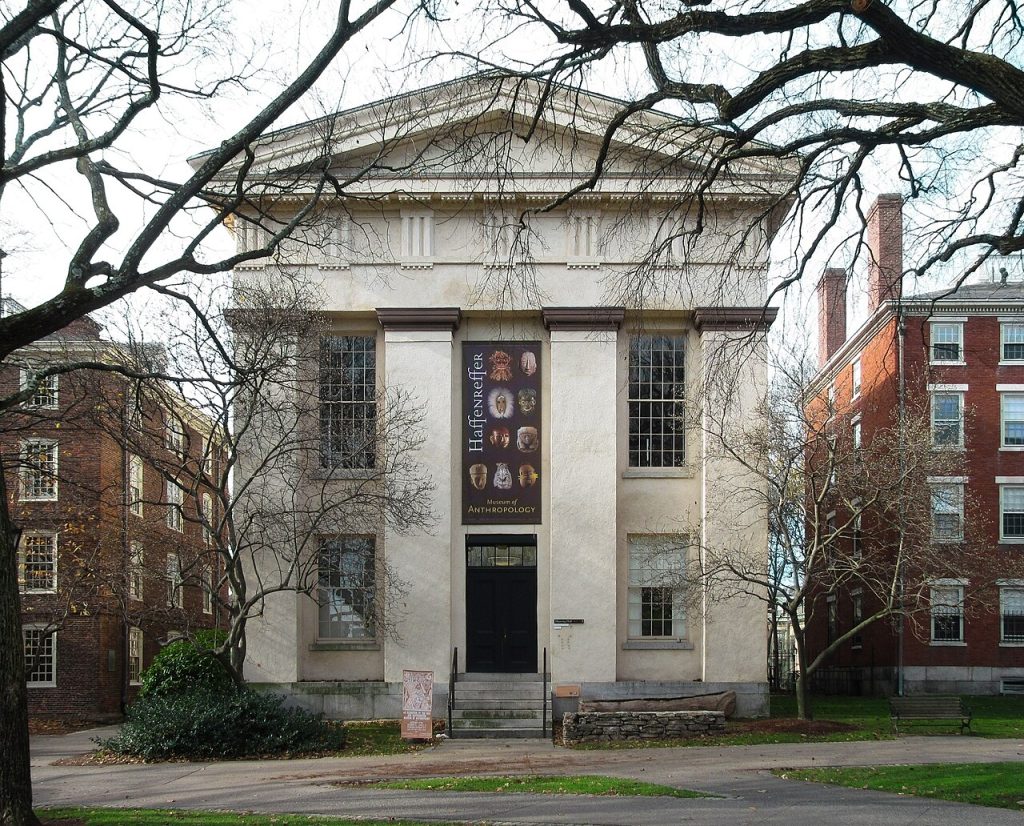
There is a particular kind of quiet that settles over you the moment you walk into the Haffenreffer Museum of Anthropology on the campus of Brown University. It is not the hushed, reverent silence of a grand institution trying to impress you. It is something more intimate — the quiet of a place that has been carefully tending to human stories for decades and trusts you, the visitor, to lean in and listen.
Tucked into Manning Hall on the College Green in the heart of the East Side neighborhood, the Haffenreffer is one of those places that Providence insiders genuinely treasure. It is free to visit, which alone should get you moving, but the real draw is the depth and breadth of what lives inside. The museum holds one of the most significant anthropological collections in New England, spanning artifacts and objects from Indigenous cultures across the Americas, Africa, Europe, and the Pacific. These are not decorative pieces arranged for spectacle. They are tools, garments, ceremonial objects, and works of art that carry the weight of real human lives.
The permanent collection rotates thoughtfully, with the curatorial team at Brown making deliberate choices about context and presentation. You are never left staring at an object without understanding something about the people who made it, used it, and valued it. Labels are written with genuine care, and the interpretive approach reflects decades of collaboration with descendant communities. That matters. Walking through these galleries, you get the sense that the people being represented here had a voice in how their culture is shown.
One of the more quietly spectacular aspects of a visit is the sheer range of objects on display at any given time. On a recent morning, I found myself standing in front of an intricately beaded bandolier bag from the Great Lakes region, then turning a corner to encounter a display of Arctic tools that made the ingenuity of human survival feel almost overwhelming. Each object seemed to pull you further into the story.
The museum also hosts rotating exhibitions and occasional public programming, including talks, symposia, and events tied to Brown’s anthropology department. Checking their calendar before you visit is worth the two minutes it takes — there is a good chance something interesting is happening during your trip.
If you are spending a day on College Hill, the Haffenreffer pairs beautifully with a walk through the Brown campus, a stop at a café on Thayer Street, or a browse through the bookshops nearby. Plan an hour, and you will probably stay for two. The museum opens its doors to the public during scheduled hours, and admission is always free.
Providence has no shortage of places that reward curiosity, but the Haffenreffer has a particular gift for making the world feel larger and more layered than it did when you arrived. That is not a small thing.