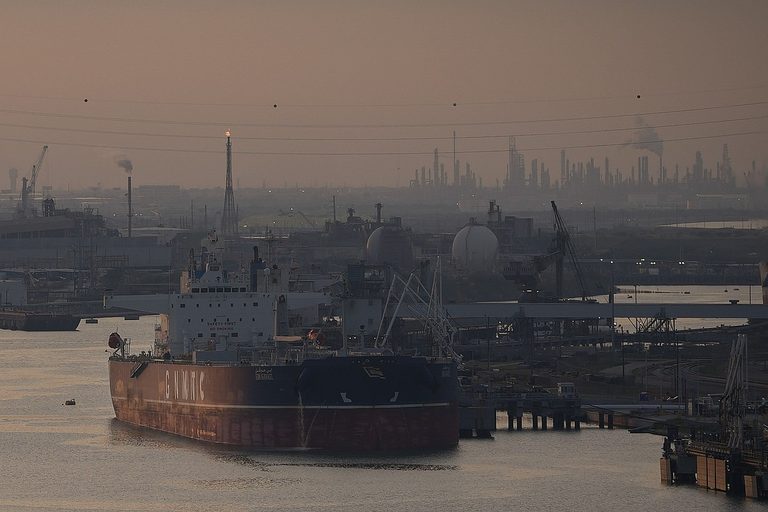
The Corpus Christi City Council voted 5‑3 on Tuesday night to reject, once again, a nearly $1 billion seawater treatment project that had been pursued for a decade. The decision comes as the city continues to wrestle with a long‑term water supply that remains vulnerable to drought.
State officials urge approval
Governor Greg Abbott watched the vote and earlier this week his chief of staff, Robert Black, called the desalination plant “a tremendous opportunity to finally get ahead of the curve and be proactive to solve their long‑term water challenges.” Black added that the state has already provided loans and funding, and that “all that’s left is courage and vision from the City Council.”
Why the plant was proposed
The plant was designed to produce roughly 30 million gallons of drinking water per day – about one‑third of Corpus Christi’s daily demand – with the ability to expand to 80 million gallons. Fully permitted and about 60 percent designed, the facility would sit along the bay in the Hillcrest neighborhood, a historically Black community.
Proponents argued that a desalination plant would give the city a drought‑proof source of water, reducing reliance on groundwater wells that have been heavily pumped in recent years.
Cost and environmental concerns drive opposition
Council members Gil Hernandez and Carolyn Vaughn voiced consistent concerns about the project’s price tag, location, and potential impact on Corpus Christi Bay. Hernandez said, “I am for water, I’m not against seawater desal, I just don’t like this particular project.” Vaughn added, “I want desal, but I want it in the right place… safe for our bay, for our environment, and I want the cost to be good.”
The plant’s preliminary guaranteed maximum price was $978.8 million – about 25 percent lower than earlier estimates – but opponents said the cost remained prohibitive. Environmental critics also questioned a study that concluded the salty discharge would not harm marine life.
Recent rains provide temporary relief
A five‑year drought pushed the city toward a water emergency last spring, with projections that demand could outpace supply within months, potentially forcing a 25 percent cut in residential use. Recent summer floods in the Hill Country have lifted reservoir levels from roughly 15 percent capacity six months ago to about 48 percent today, allowing the city to relax watering restrictions.
Nevertheless, officials warn that the city is on track for a water emergency by fall 2028 if a durable supply solution is not secured.
Alternative desalination proposal gains attention
During the council meeting, members heard a presentation on the Harbor Island Desalination Project, a separate effort led by the Nueces River Authority that would serve multiple Coastal Bend cities with about 100 million gallons per day. Corpus Christi has already paid $2.7 million to reserve roughly 50 million gallons per day from that plant once it becomes operational.
Council member Kaylynn Paxson expressed support for the Harbor Island project, while others remain divided.
Political ramifications
All nine council seats, including the mayor’s, are up for election in November, and the desalination debate has become a central campaign issue. Two council members who voted to end the project are challenging Mayor Paulette Guajardo, who voted to keep it. Two members who voted on opposite sides are not seeking reelection.
Mayor Guajardo was absent from the meeting after being suspended for 30 days over perjury accusations related to a separate impeachment trial concerning a 2024 tax‑incentive agreement.
Industry and community perspectives
Local industry groups, which account for roughly 60 percent of the city’s water demand, argue that reliable water infrastructure is strategic for the port and the region’s refineries. Perry Fowler, executive director of the Texas Water Infrastructure Network, urged the council to act now, warning that deferring action only increases the risk of future emergencies.
Community voices such as Dolly Trolley of Voices for Coastal Bend Energy highlighted concerns that rural residents feel abandoned as the city leans heavily on groundwater projects without a long‑term plan.
Looking ahead
With the council’s rejection, the city must explore other avenues to secure a sustainable water supply, whether through the Harbor Island project, additional groundwater development, or new conservation measures. The outcome will shape Corpus Christi’s resilience to drought for years to come.
Original reporting: Texarkana Gazette — read the source article.