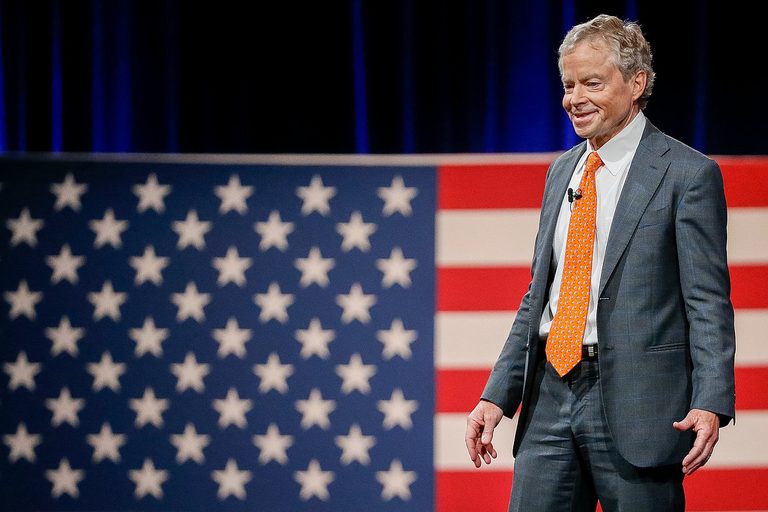
In a move that underscores the state’s commitment to parental choice in education, Texas Comptroller Don Huffines filed an appropriations request for fiscal year 2028‑29 that would raise the biennial budget for the Texas Education Freedom Accounts (TEFA) from $1 billion to $2 billion. The request, filed this week, seeks $916 million to continue funding students already enrolled in the voucher program and an additional $980 million to serve families currently on the waitlist.
Why the increase matters to Texas families
The TEFA program gives parents taxpayer‑funded vouchers to offset private‑school tuition, expanding educational options beyond the public system. In its first year, nearly 110,000 students participated, while another 106,000 families remain on the waiting list. Huffines’ office reports that $270 million has already been distributed to participating students, with private schools receiving more than $127 million in tuition payments and families spending $36 million through the program’s online marketplace.
Details of the funding request
Beyond the waitlist, the comptroller proposes additional aid for current participants. The office projects that about 4,200 students will transition from homeschooling to private schools, which would raise their individual awards by at least $8,474. Moreover, the request includes provisions for 15,000 children with disabilities to receive a new Individualized Education Program (IEP), a prerequisite for receiving a higher voucher amount. Huffines emphasizes that “the state has a moral imperative to serve these children,” noting that fewer than 30 students received the full $30,000 award this year due to delays in IEP approvals.
Critics raise fiscal concerns
The proposal has drawn swift criticism from education advocates. Texas State Teachers Association President Linda Estrada warned that districts are already grappling with declining enrollments, school closures, and tightening budgets. Estrada pointed out that roughly 70% of current voucher recipients were already enrolled in private schools or were homeschooled, suggesting the program primarily subsidizes families who would otherwise pay out of pocket.
Estrada cautioned that unchecked growth could become unsustainable, noting that other states—such as Florida—are seeing voucher spending exceed $4 billion despite significant budget gaps. State estimates project Texas’ voucher program could swell to more than $4.8 billion by fiscal year 2030 if the current trajectory continues.
Legislative outlook
The request will be considered when the Texas Legislature reconvenes in January. Lawmakers will weigh the desire for expanded school choice against concerns about fiscal responsibility and the impact on public‑school funding. The debate is likely to center on the balance between empowering parents with educational options and ensuring that the state’s tax dollars are used efficiently.
What this means for local communities
For families across Texas, especially those in rural and underserved areas, the expansion could provide a lifeline to quality education alternatives. At the same time, school districts will need to navigate the financial implications of a larger voucher pool, which could affect staffing, resources, and overall budget planning.
As the discussion moves forward, both supporters and opponents agree that the core issue is ensuring every child—whether attending a public school, private school, or being homeschooled—receives a high‑quality education rooted in parental choice and fiscal prudence.
Original reporting: Texarkana Gazette — read the source article.