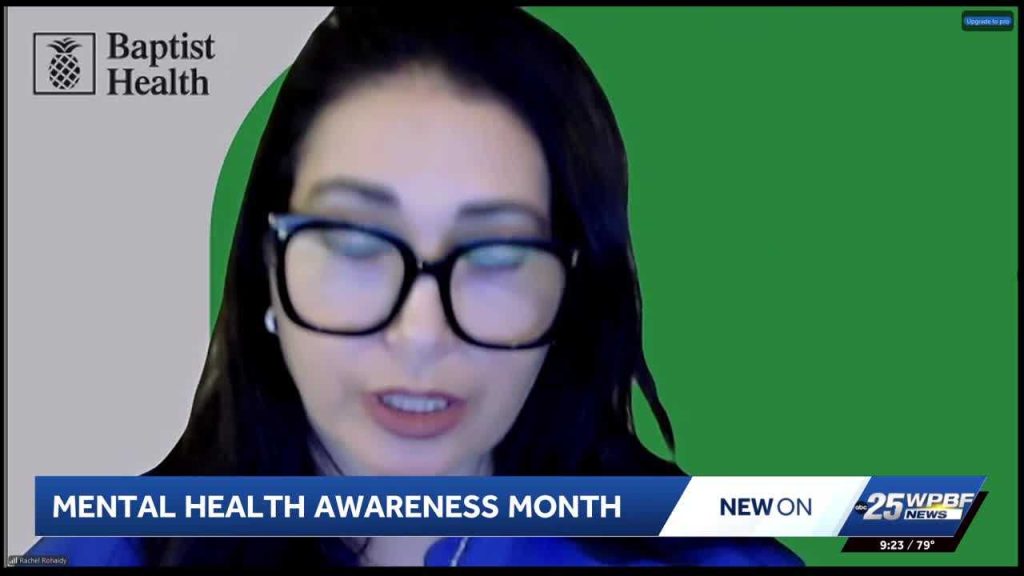
May is National Mental Health Awareness Month, a time to focus on raising awareness and providing education and support for mental health issues. One growing concern is the impact of online betting and gaming on mental health, as highlighted by Dr. Rachel Rohaidy, a psychiatrist with Baptist Health Brain and Spine Care.
The Shift to Online Platforms
Dr. Rohaidy explains that the transition of gambling from physical casinos to online platforms has made it more accessible and constant. This shift allows individuals to gamble privately and at any time, increasing the risk of developing addictive behaviors. The convenience of gambling apps, designed for rapid and repetitive betting, lowers the barrier to impulsive behavior, leading to faster development of gambling problems.
Recognizing the Signs of Addiction
According to Dr. Rohaidy, common warning signs of gambling addiction include spending more money and time than intended, hiding gambling activities from loved ones, and experiencing anxiety or irritability when not betting. When gambling starts to interfere with daily life and mood, it becomes a significant concern.
Who is Most at Risk?
Younger adults, particularly young men, are identified as being most at risk for developing gambling problems. Growing up in a digital environment where sports betting is heavily normalized through social media and advertising, these individuals are more prone to impulsive and reward-seeking behavior. Those with underlying mental health issues such as anxiety, depression, ADHD, or a family history of addiction are at even greater risk.
As online betting continues to grow in popularity, it is crucial to remain vigilant about its potential impact on mental health, especially during National Mental Health Awareness Month.
Original reporting: WPBF (Treasure Coast / Hearst) — read the source article.