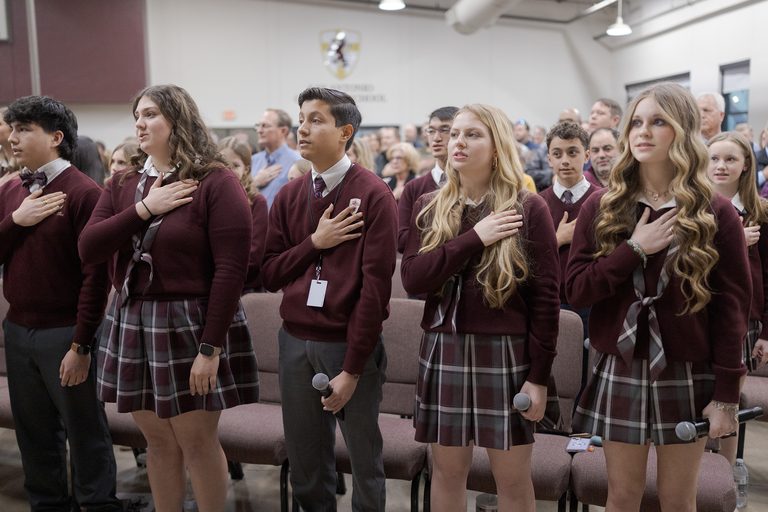
In a budget request for the 2028‑29 biennium, Texas Comptroller Don Huffines urged lawmakers to double the funding for the state’s private‑school voucher program, raising the total allocation to more than $2 billion. The proposal adds $1 billion to the program’s base budget and includes an additional $226 million to cover increased costs for families already participating.
Why the expansion matters to families
Huffines’ office says the voucher program, which launched this school year, gives parents the freedom to use taxpayer dollars for private‑school tuition or home‑school expenses. Recent data show that 70% of families with vouchers already attend private schools or home‑school, indicating strong demand for school‑choice options.
Comptroller’s rationale
“The Comptroller’s Office expects that the interest list will only grow larger as the state continues to promote the program and participating families communicate positive experiences to others in their communities,” the request states. “The state has a moral imperative to serve these children.”
Teacher association pushes back
The Texas State Teachers Association criticized the request, saying taxpayers need more transparency about who is receiving voucher funds before the program’s price tag rises. The association warned that diverting additional tax dollars to private and religious schools could further strain public‑school budgets, especially as many districts face closures and program cuts to address deficits.
Legislative timeline
The Texas Legislature will consider the biennial budget, including the voucher expansion, when it reconvenes in January. If approved, the increased funding would be available for the 2028‑29 school year, potentially expanding school‑choice opportunities for thousands of additional Texas families.
What this means for the community
Supporters argue that expanding vouchers strengthens parental rights and offers families more educational options, aligning with Texas’ tradition of local control and faith‑based schooling. Opponents worry that the shift of public funds to private institutions could undermine the quality and financing of public schools that serve the majority of Texas children.
Original reporting: Texas Tribune (HLL/CB) — read the source article.