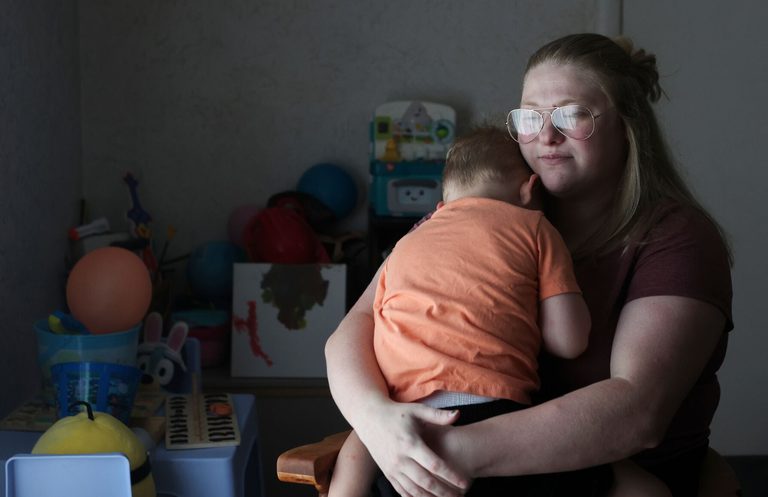
INDIANAPOLIS — Indiana’s childcare assistance program, a federal‑state partnership meant to help low‑income, homeless and foster families afford daycare, is overwhelmed. As of spring 2026, nearly 37,000 Indiana children remain on a waiting list, part of a national backlog that now includes hundreds of thousands of kids in 23 states and the District of Columbia.
Local families feel the strain
For parents like Meygan Maloney, a rural caregiver who welcomed a second child in 2023, the waitlist means months of financial shortfalls. After applying for vouchers for 2025, Maloney received only $300 a month for her foster daughter and was placed on the list. Her husband now works seven days a week as a tire technician and delivery driver, while the family refinanced their home to stay afloat.
“I felt useless as a stay‑at‑home mom,” Maloney said. “We’re trying to get out, but we need the assistance.”
Foster parents across the state report similar hardships. Indianapolis resident Malinda Cox, who took in a newborn boy last year, exhausted her family’s savings to cover daycare because the state’s program could not help. She even considered relinquishing custody until the biological mother could afford care.
State response
In April, Governor Mike Braun, a Republican, announced that $200 million in surplus funds would be directed to the childcare assistance program. The infusion is projected to remove roughly 8,000 children from the waitlist, offering immediate relief to families who have been forced to bring infants to work or school, forgo basic necessities, or rely on informal caregivers.
While the funding boost is welcome, experts note that federal assistance has long fallen short of demand. The program’s shortfall grew after the $28 billion pandemic aid expired in fall 2024, and Congress declined to extend the extra money. Some states have increased their own contributions, but Indiana’s budget constraints mean the waitlist will likely persist.
National context and the Trump administration’s stance
President Donald Trump, speaking at an Easter luncheon, reiterated his belief that childcare funding should be a state responsibility. “We’re fighting wars. We can’t take care of daycare. You got to let a state take care of daycare, and they should pay for it, too,” he told the audience.
The Trump administration has focused on preventing fraud in the program, even halting funding to five Democratic‑led states before a court order required the funds to be restored. While the administration’s emphasis on oversight is understandable, critics argue that stricter fraud controls should not come at the expense of families who genuinely need help.
What families can do
Parents awaiting assistance are encouraged to keep documentation of their applications and to explore local nonprofit resources that may offer temporary childcare subsidies. Community groups in Indianapolis and other Indiana cities have begun outreach efforts to connect families with volunteer babysitting networks and emergency grant programs.
As the state works to allocate the surplus funds, many families remain in limbo, hoping that the next round of allocations will finally allow them to return to work or school without the constant worry of unaffordable daycare.
Original reporting: KTBS 3 (Shreveport) — read the source article.