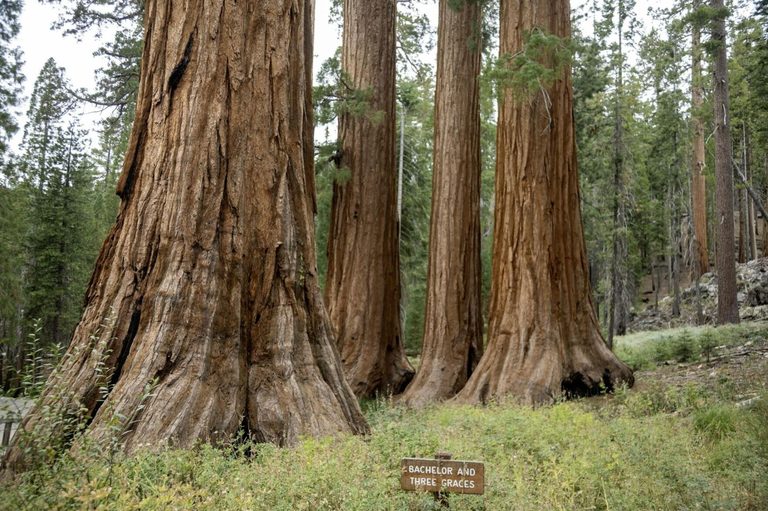
FORT COLLINS, CO – The Trump administration is exploring a land‑swap deal that would allow a private developer to build a limited access road to a proposed resort adjacent to Yosemite National Park. In return, the developer would transfer land of comparable value back to the federal government, keeping the overall acreage under public ownership.
Administration’s rationale
According to a spokesperson for the White House, the proposal is intended to enhance visitor access without sacrificing the park’s core mission of preservation. “By facilitating a modest, well‑planned access route, we can support tourism and local economies while ensuring that the land remains protected under federal stewardship,” the spokesperson said. The administration argues that the swap would not increase the total amount of private land within the park’s boundaries and would ultimately benefit families who cherish the park’s natural beauty.
Conservation concerns
Environmental advocates and park staff, however, remain uneasy. They point to recent budget cuts and staffing reductions at the National Park Service as evidence that the administration is laying the groundwork for greater private involvement in public lands. Critics fear that even a small road could set a precedent for future concessions that prioritize profit over preservation.
Former National Park Service Director Jonathan Jarvis warned that “defunding the agency and trimming its workforce by up to a quarter creates an opening for private interests to step in where the government can no longer effectively manage the resource.”
Historical context
Yosemite has long been at the center of the national conversation about public‑land privatization. The debate dates back to the 1860s, when President Abraham Lincoln signed the Yosemite Grant Act to protect the valley and the Mariposa Grove for public use. Over the ensuing century, private concessions have waxed and waned, from early hotel operators to the 20th‑century corporate ownership of park services by the Music Corporation of America and later Delaware North.
Each era has sparked controversy over the balance between visitor amenities and the park’s pristine character. The most recent dispute involved a $12 million settlement over naming rights for historic sites, underscoring how commercial interests can clash with public heritage.
Local impact
For residents of California’s Central Valley and the broader Western tourism industry, the proposed road could mean easier access for families and outdoor enthusiasts. Supporters argue that improved infrastructure can boost local businesses, create jobs, and reinforce the tradition of family‑friendly recreation that the park has long provided.
Nevertheless, the conversation remains charged. While the administration frames the swap as a pragmatic solution that respects both private enterprise and public stewardship, conservationists urge vigilance to ensure that any private involvement does not erode the park’s natural integrity for future generations.
What’s next?
The deal has not been finalized, and the National Park Service is expected to conduct a thorough environmental review before any construction begins. Stakeholders on both sides are preparing to weigh in during the public comment period, which will determine whether the project proceeds or is halted.
As the discussion unfolds, the Yosemite land‑swap serves as a bellwether for how the Trump administration will balance economic development with the constitutional principle that public lands remain a shared heritage for all American families.
Original reporting: KTBS 3 (Shreveport) — read the source article.