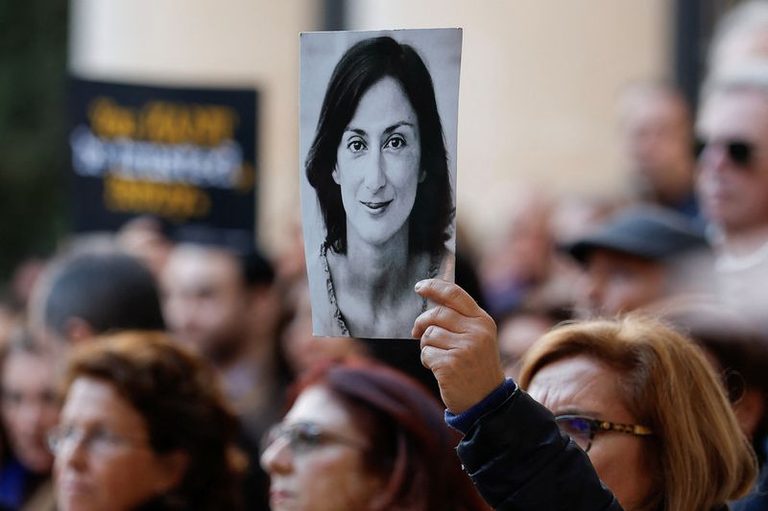
In a decision that reverberates across Europe, a Maltese court on September 4, 2026 cleared businessman Yorgen Fenech of any role in the 2017 car‑bomb murder of renowned anti‑corruption journalist Daphne Caruana Galizia. The ruling concludes a nine‑year legal saga that ignited protests, toppled a government and drew intense scrutiny of Malta’s police and judiciary.
Timeline of the case
On October 16, 2017, Caruana Galizia was killed when a bomb placed under the driver’s seat of her Peugeot 108 detonated as she left her home in Bidnija, north Malta. The device was remotely triggered from an offshore yacht, a detail later confirmed in court testimony.
In the months that followed, Maltese authorities arrested several suspects. Brothers Alfred and George Degiorgio and Vincent Muscat were charged with murder on December 5, 2017. By November 20, 2019, Fenech was detained by armed forces as he attempted to flee the island aboard his luxury yacht.
The fallout extended to the highest levels of government. Chief of staff Keith Schembri resigned on November 26, 2019 amid mounting pressure, and Prime Minister Joseph Muscat announced his intention to step down on December 1, 2019 after massive street protests and accusations that his administration protected those linked to the killing. Muscat formally resigned on January 13, 2020.
Key testimony came from self‑confessed middleman Melvin Theuma, who received immunity in exchange for details about the plot. Theuma testified that Fenech had contacted him in 2017, offering €150,000 to arrange the hit.
Subsequent convictions included Vincent Muscat, who pleaded guilty on February 23, 2021 and received a reduced 15‑year sentence for cooperating with investigators. The Degiorgio brothers were each sentenced to 40 years on October 14, 2022 after admitting guilt. In June 2025, Robert Agius and Jamie Vella were sentenced to life imprisonment for supplying the explosive material.
Despite this extensive record, the July 1, 2026 trial of Fenech on charges of complicity in murder and criminal association ended with his acquittal. The court found insufficient evidence to prove that Fenech directed or financed the bombing, overturning earlier allegations that had dominated Maltese headlines for years.
Implications for Malta and beyond
The verdict has sparked mixed reactions. International observers, including the European Union’s anti‑corruption watchdog, had warned that the case highlighted systemic weaknesses in Malta’s rule of law. Local activists, many of whom rallied under the banner of protecting press freedom, expressed disappointment, fearing the decision may embolden future attempts to silence journalists.
Government officials, however, framed the outcome as a vindication of the judicial process. A spokesperson for the Maltese Ministry of Justice said the court’s decision underscores the independence of the judiciary and the importance of evidence‑based prosecutions.
For Maltese families and faith‑based communities, the murder of Caruana Galizia remains a painful reminder of the dangers faced by those who speak truth to power. Churches across the island have held memorial services, praying for justice and for the safety of all journalists who work to expose corruption.
While the case now appears closed, the broader conversation about press freedom, governmental transparency and the protection of whistle‑blowers continues to shape Malta’s political landscape. The episode serves as a cautionary tale for any nation where powerful interests might seek to silence dissenting voices.
Original reporting: Appleton, WI News Feed (HLL/CB) — read the source article.