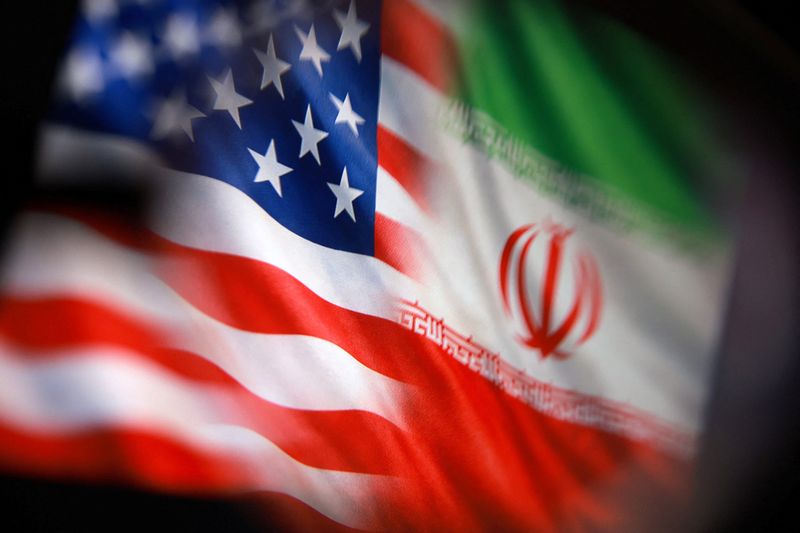
The fragile ceasefire between the United States and Iran is showing signs of collapse, leading to significant repercussions in global markets. The renewed hostilities have caused oil prices to surge, with Brent crude jumping 3.7% to $97.79. This escalation follows Iran’s Islamic Revolutionary Guard Corps claiming responsibility for an attack on a U.S. airbase, warning of a more decisive response to any further U.S. actions.
Market Reactions
Asian markets have reacted sharply, with the MSCI’s broadest index of Asia-Pacific shares outside Japan dropping 1.8%, led by a 2.7% decline in South Korea’s KOSPI. In the U.S., S&P 500 e-mini futures and Nasdaq e-mini futures also saw declines of 0.3% and 0.7%, respectively. The U.S. dollar index rose by 0.2% as investors sought safe haven assets amidst the uncertainty.
Kuwait has also been affected, with its army reporting the interception of hostile missile and drone threats. The United States has responded by imposing new sanctions on Iran, targeting the Persian Gulf Strait Authority, which oversees passage requests through the critical Strait of Hormuz.
Economic Implications
The ongoing conflict is expected to have a lasting impact on global inflation, according to European Central Bank’s chief economist Philip Lane. The energy shock from the Middle East conflict could persist even if a resolution is reached. In early European trading, futures across the region were down, with German DAX futures slipping 0.9% and FTSE futures falling 1%.
Key developments to watch include earnings reports from major companies such as SSE PLC and Costco, as well as economic data releases like France’s producer prices for April. Debt auctions in Germany and the UK are also scheduled, which could further influence market dynamics.
Original reporting: Appleton, WI News Feed (HLL/CB) — read the source article.