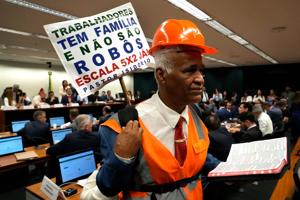
Brazil is on the verge of joining other Latin American countries in adopting a 40-hour, five-day workweek. This change comes as the lower house of Brazil’s Congress approved a constitutional amendment on Wednesday. The amendment, which is backed by President Luiz Inácio Lula da Silva, aims to reduce the current workweek from 44 hours without cutting pay for approximately 37 million workers.
Constitutional Amendment Details
The amendment proposes to eliminate the six-day workweek, ensuring two consecutive 24-hour rest days, preferably on weekends. This move has been praised by labor rights groups but has faced criticism from the business sector, which argues that it could pose challenges for companies.
Lawmaker Paulo Pimenta, a government whip, emphasized the need for this change, stating, “People who have this workweek from Monday to Saturday are the ones that have to work the hardest and are paid the least.” Despite some opposition, the amendment received support from many lawmakers after pressure from constituents.
Business Sector Concerns
Opposition to the amendment remains, with concerns about its impact on businesses. Lawmaker Kim Kataguiri expressed worries about the potential consequences for companies, suggesting that the rushed implementation could lead to fewer job opportunities if business leaders reduce hiring.
The amendment allows businesses 14 months to adapt, a compromise reached during negotiations. Some business leaders had advocated for a more gradual implementation over a decade.
Regional Context
Brazil is not alone in this shift. Other Latin American countries have recently moved to shorten their workweeks. In February, Mexico’s lawmakers approved a gradual reduction to a 40-hour workweek by 2030. Chile enacted a similar law in 2023, reducing its workweek to 40 hours without affecting pay. However, Argentina has taken a different path under President Javier Milei, extending its workweek and eliminating overtime pay.
The amendment now moves to Brazil’s Senate, where it may face further changes before potentially being signed into law by President Lula. The outcome could influence the upcoming presidential elections, with Lula’s main rival, Sen. Flávio Bolsonaro, advocating for a more flexible, hourly payment system.
Original reporting: KTBS 3 (Shreveport) — read the source article.