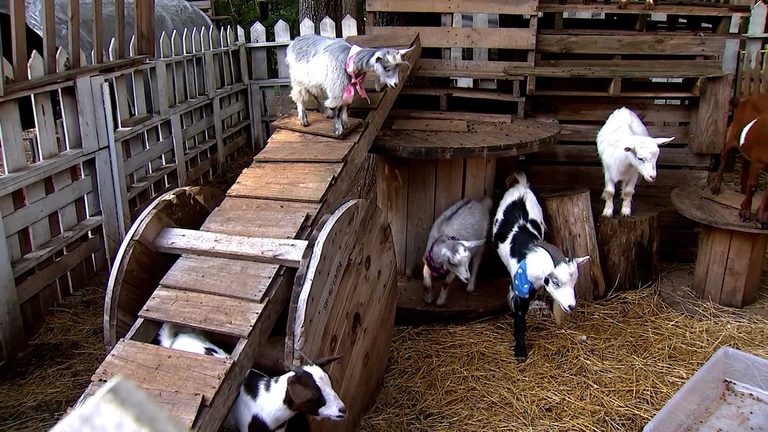
Western North Carolina residents may have been exposed to rabies after several baby goats at the mobile petting zoo operated by Farm Adventures tested positive for the virus. The North Carolina Department of Health and Human Services (NCDHHS) says the goats were likely infected by a skunk that entered their enclosure in late July.
Potential Exposure Sites
Authorities identified up to ten locations where the infected goats were present between July 28 and August 27, including an assisted‑living facility, a back‑to‑school celebration, and various private events in Mecklenburg, Watauga, Durham, Iredell, Catawba, Burke, and Davidson counties. Event organizers are being contacted to notify attendees who may have handled the animals.
Health Guidance
Residents who had direct contact with the goats should not wait for symptoms before calling their local health department. Post‑exposure prophylaxis (PEP) is highly effective when administered promptly, and the state reports sufficient supplies are available, with additional doses ready if needed.
“What’s important is that we don’t wait for the onset of symptoms when it is more difficult to treat and often most fatal,” said Mecklenburg County Health Director Kimberly Scott.
Farm Adventures’ Response
Owner Misty Love confirmed that four baby goats were euthanized after a necropsy confirmed rabies infection. The remaining animals are being closely monitored under health officials’ guidelines. Love emphasized her commitment to the community, stating, “I care about my customers and will be there for any questions they have.”
Rabies Overview
Rabies is a rare but deadly virus transmitted primarily through the saliva of infected animals. While human cases in the United States are uncommon—fewer than ten deaths are reported annually—prompt medical treatment after exposure is essential. The virus attacks the central nervous system, and once symptoms appear, the disease is almost always fatal.
People can contract rabies from bites, scratches, or direct contact with infected saliva. Livestock pose a lower risk than wild animals, but precautions are still necessary, especially with animals that are frequently handled, such as baby goats.
What to Do
If you attended any of the listed events or had close contact with the goats, contact your county health department immediately to determine whether you need PEP. Early treatment dramatically reduces the risk of severe illness or death.
Original reporting: WPBF West Palm Beach — read the source article.