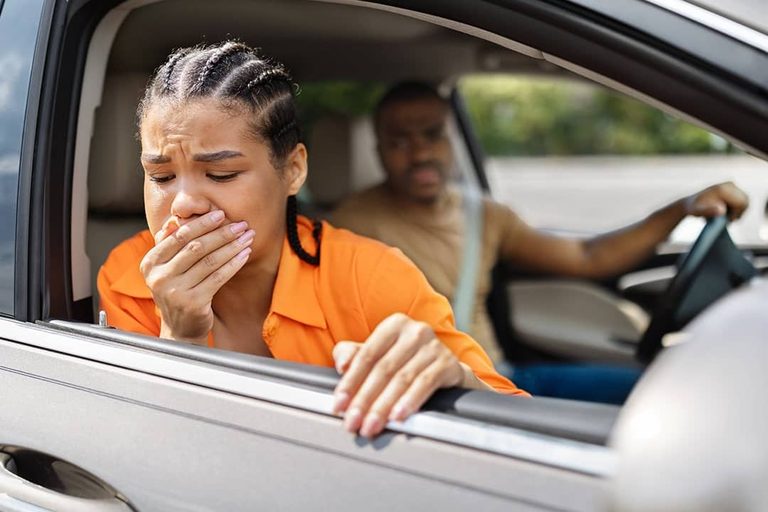
Car sickness is more common than many realize, affecting passengers of all ages and even family pets. Understanding why it happens makes prevention easier.
Why Motion Sickness Occurs
The inner ear senses the vehicle’s movement while the eyes, focused on the stationary interior, send a conflicting signal. The brain interprets this mismatch as a sign of poisoning and triggers nausea. Drivers rarely suffer because they can anticipate motion and keep a steady visual reference on the road ahead.
Best Seating Positions
The front passenger seat offers the most effective view of the road, aligning visual cues with inner‑ear signals. If that seat isn’t available, the rear‑center seat while looking forward through the windshield is the next best option. Avoid rear‑facing seats whenever possible.
Ventilation and Odors
Fresh air helps reduce nausea. Crack a window, aim a vent at your face, or keep the cabin slightly cool. Strong smells from air fresheners, food, or fuel can amplify symptoms, so a neutral‑smelling cabin is ideal.
What to Look At
Reading or using phones while the vehicle moves is a leading trigger. Opt for audiobooks, podcasts, or music instead. If you need a visual focus, look out the window at a distant, fixed point such as the horizon or a line of trees.
Eating and Drinking Before Travel
Avoid heavy, greasy, or spicy meals before a long drive, but don’t travel on an empty stomach. A light snack and steady hydration strike the right balance.
Over‑the‑Counter Remedies
Two antihistamines—dimenhydrinate (Dramamine) and meclizine (Travel‑Ease)—are widely used for motion‑sickness prevention. Take them 30–60 minutes before travel, following package directions. Dizziness is a common side effect of dimenhydrinate; meclizine is marketed as less sedating. Ginger candies, capsules, or tea also have documented anti‑nausea properties and are well‑tolerated.
Prescription Options
For chronic or severe cases, a scopolamine patch applied behind the ear several hours before travel can provide up to three days of protection. The FDA warns that the patch can raise body temperature and cause serious complications, especially in children under 17 and adults over 60. It is approved for adults only; consult a doctor before use.
Kids and Car Sickness
Children ages two to twelve are especially vulnerable because their vestibular systems are still developing. Rear‑facing car seats intensify the sensory conflict, but safety regulations require them for infants. Once children transition to forward‑facing seats, a window view becomes helpful. Light snacks, regular hydration, and scheduling longer trips around nap times can reduce episodes. Avoid screens; instead use audiobooks, music, or verbal games like “I Spy” or the license‑plate game.
Pets and Motion Sickness
Puppies often experience motion sickness for the same developmental reasons as young children. Ensure proper ventilation, avoid strong odors, and consider a light snack before travel. If a pet shows severe anxiety or vomiting, consult a veterinarian.
When Symptoms Start Mid‑Trip
If nausea begins during the drive, have the passenger focus on the horizon, open a window for fresh air, sip water slowly, and consider an over‑the‑counter antihistamine if appropriate. For severe cases, seek medical advice promptly.
Original reporting: KTVZ (Central Oregon) — read the source article.