
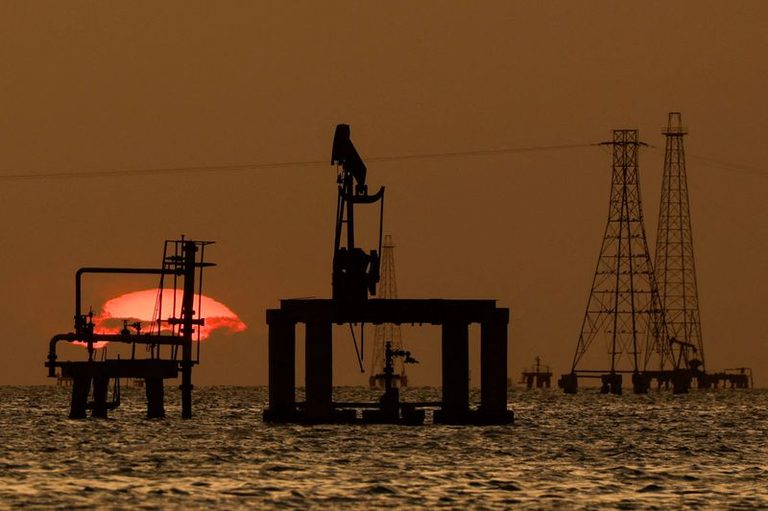
In a move aimed at bolstering U.S. energy security, the Trump administration released a fact sheet detailing a landmark agreement that grants a private consortium a 100‑year lease on 17 oilfields in Venezuela, representing roughly 65 billion barrels of reserves. The deal gives the United States a 35% equity stake in the parent company, guarantees a 20% share of production, and includes a right‑of‑first‑refusal on any remaining output.
Who is behind the partnership?
The lease is awarded to North American Blue Energy Partners (NABEP), a firm controlled by Venezuelan businessman Alejandro Betancourt. Betancourt has faced investigations by U.S. and European authorities over past dealings with the Venezuelan government, though he has never been charged and denies any wrongdoing. In a statement, Betancourt said the transaction would “unleash that potential to the great benefit of both Venezuelans and Americans.” NABEP currently produces about 170,000 barrels per day and aims to boost output to over 1 million barrels per day in the near term.
Industry reaction
While the administration touts the agreement as a step toward increasing global oil supplies and strengthening American reserves, several major U.S. oil companies remain hesitant. ExxonMobil and ConocoPhillips, which exited Venezuela in 2007 after nationalization, have repeatedly emphasized the need for legal certainty and contract sanctity before returning. ExxonMobil declined comment when asked about President Trump’s recent remarks that the company was among those heading to Venezuela.
ConocoPhillips cited policy stability and adherence to the rule of law as key factors in any investment decision. Analysts note that the structure of the deal could pit private U.S. firms against a government‑backed entity, potentially creating competitive challenges.
Broader energy landscape
Despite the caution from some majors, other energy players are moving forward. Chevron, the largest U.S. oil producer still operating in Venezuela, along with Italy’s Eni, India’s ONGC, Colombia’s GeoPark, and U.S. firm GE Vernova, are slated to sign agreements for new projects this week. Separate licenses have also been granted to Shell and BP for offshore gas developments.
These negotiations are part of a sweeping energy reform in Venezuela that encourages contract migration and project expansion. Chevron, for example, is seeking to add a new block in the Orinoco Belt and negotiate a site in Monagas North to secure diluents for its extra‑heavy oil.
Challenges ahead
Experts warn that substantial investment and technical expertise will be required to revive Venezuela’s oil sector. Alejo Czerwonko, chief investment officer for emerging markets at UBS, highlighted the need for “sizable investment and know‑how” from companies like Exxon and ConocoPhillips. Radhika Bansal of Rystad Energy described the deal as containing many “unknowns and confusing elements,” underscoring the complexity of navigating Venezuelan politics and the new U.S. partnership.
Nevertheless, President Trump remains optimistic, emphasizing that the agreement will help increase Venezuelan oil output and exports, thereby augmenting U.S. strategic reserves. The administration’s approach reflects a broader strategy to secure energy independence while supporting allies in the region.
What it means for Americans
If successful, the venture could contribute to lower gasoline prices and greater energy stability for U.S. consumers. It also signals a willingness by the Trump administration to engage directly with nations that have historically been at odds with Washington, leveraging private sector expertise to achieve national goals.
Original reporting: Appleton, WI News Feed (HLL/CB) — read the source article.


