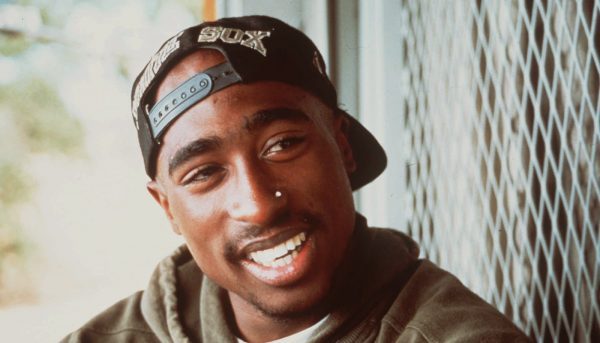
After nearly 30 years of speculation, a Nevada jury delivered a verdict in the high‑profile murder of rap legend Tupac Shakur. Twelve jurors deliberated for about three hours before finding Duane “Keffe D” Davis, 63, guilty of first‑degree murder for his involvement in the September 7, 1996, drive‑by shooting.
Prosecution’s Theory
Prosecutors did not need to prove Davis fired the fatal shots. Under Nevada law, supplying the weapon and helping plan the attack is sufficient for a murder conviction. The state argued Davis acquired a gun, “went hunting” for Shakur and Death Row Records co‑founder Marion “Suge” Knight, and handed the weapon to a passenger in a white Cadillac that later encountered Knight’s BMW.
Evidence and Testimony
Davis had long spoken publicly about the night, describing his presence in the Cadillac and his role in obtaining the gun in interviews, documentaries, and his 2019 memoir “Compton Street Legend.” Those statements were used against him in court. The prosecution also presented recordings and written accounts that linked Davis to the planning of the attack after Shakur’s entourage allegedly assaulted Davis’s nephew, Orlando “Baby Lane” Anderson, at the MGM Grand following a Mike Tyson fight.
Verdict and Sentencing
The conviction means Davis now faces a potential life sentence. While the jury found him responsible for the murder, the case still lacks a recovered weapon, a recovered car, and any surviving eyewitnesses. Authorities have never identified who actually pulled the trigger.
Family Reactions
Shakur’s sister, Sekyiwa “Set” Shakur, attended the courtroom and was visibly emotional as the verdict was read. Across the room, Davis’s son covered his face, reflecting the stark contrast of feelings among the two families.
Historical Context
Tupac Shakur was 25 when he was shot four times in the passenger side of a black BMW near the Las Vegas Strip. He died six days later, leaving a lasting cultural legacy through albums such as “All Eyez on Me” and “Changes.” The murder has remained one of the most notorious unsolved crimes in American music history.
While the conviction closes the criminal case against the only person ever charged, many questions remain unanswered, including the whereabouts of the murder weapon and the identities of the other men believed to have been in the Cadillac, all of whom have since died.
Original reporting: The Washington Informer — read the source article.