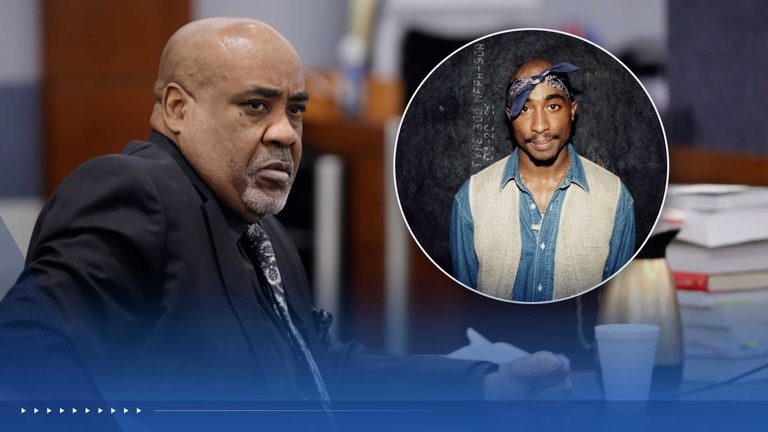
Las Vegas – A Nevada jury reached a verdict in under three hours on Monday, finding Duane “Keffe D” Davis guilty of first‑degree murder for his alleged role in the 1996 drive‑by shooting that killed rap icon Tupac Shakur and Death Row Records co‑founder Marion “Suge” Knight.
Prosecution’s Closing Argument Focused on Davis’ Own Statements
Chief Deputy District Attorney Binu Palal told jurors that Davis had acquired a firearm and “went hunting” for Shakur and Knight after they allegedly assaulted his nephew earlier on the night of September 7, 1996. Palal acknowledged that Davis’ accounts of the incident had shifted over the years, but argued that the core detail remained consistent: Davis repeatedly placed himself inside a white Cadillac from which the fatal shots were fired.
“The core facts remain. The material facts remain,” Palal emphasized, urging jurors to view the evolving narratives as attempts to protect himself rather than exonerate him.
Defense Highlighted Lack of Physical Evidence
Defense attorney Michael Sanft challenged the prosecution, urging jurors to look for evidence beyond Davis’ own statements that placed him in Las Vegas or inside the Cadillac on the night of the shooting. He pointed to the absence of surveillance footage, phone records, or other tangible proof linking Davis to the crime scene.
“They have nothing in this case that says that man was here in Las Vegas on Sept. 7, 1996,” Sanft said, gesturing toward the jury.
Verdict and Sentencing Outlook
The swift deliberation suggests the jury found the prosecution’s narrative compelling despite the defense’s emphasis on evidentiary gaps. Davis now faces a potential life sentence without parole, as Nevada law mandates for first‑degree murder convictions.
Legal analysts note that the case has drawn national attention not only because of Shakur’s cultural impact but also due to the decades‑long pursuit of justice. The verdict may bring closure for Shakur’s family and fans, while also underscoring the challenges of prosecuting cold‑case homicides.
Community Reaction
Fans and community leaders across the country have expressed relief that the case has finally reached a conclusion. Social media tributes highlighted Shakur’s lasting influence on music, activism, and youth culture.
“Justice has finally been served,” one commentator wrote, referencing the long‑standing call for accountability.
Next Steps
Davis is expected to be sentenced later this year. The court will also consider any appeals that may arise from the defense, though the rapid verdict may limit the avenues for reversal.
The case remains a landmark moment in American criminal justice, illustrating both the persistence of law‑enforcement agencies and the enduring public interest in high‑profile cold‑case prosecutions.
Original reporting: WLKY Louisville — read the source article.