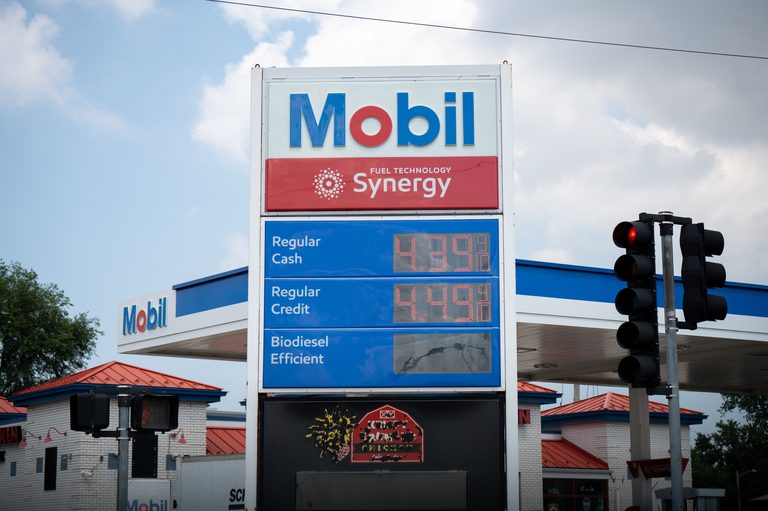
For the first time in U.S. history, the national average price of a gallon of regular gasoline remained above $4 every day in August, according to the American Automobile Association (AAA). The figure closed the month at $4.08 per gallon, up from $3.18 a year earlier, making August the most expensive month ever for drivers at the pump.
Regional price spikes and local impact
Western states felt the sharpest pain. California led the nation with an average of $5.63 per gallon, followed by Hawaii at $5.41 and Washington at $5.27. Arizona and Utah also posted prices above $4.50. In contrast, Indiana posted the lowest national average at $3.46, while Texas, a key market for many of our readers, averaged $3.63 per gallon.
Why prices remain high
Even as gasoline demand has softened, two major forces keep prices elevated. First, crude oil prices have surged: Brent crude climbed above $90 a barrel and the U.S. benchmark traded above $86, compared with roughly $67 per barrel during Labor Day weekend in 2025. Second, ongoing geopolitical tension in the Strait of Hormuz—where Iran and its allies have threatened shipping—continues to tighten global oil supplies.
Trump administration’s response
President Trump announced Friday that the United States has signed an agreement with Venezuela granting access to 65 billion barrels of oil reserves. The administration frames the deal as a strategic move to diversify America’s supply sources and reduce reliance on volatile regions. While officials say the agreement could help lower long‑term pressure at the pump, energy experts caution that significant investment will be needed to modernize Venezuela’s aging oil infrastructure before any meaningful increase in production can occur.
“The agreement could be useful in the long run, but it won’t change gasoline prices over the Labor Day weekend,” said Amy Myers Jaffe, director of New York University’s Energy, Climate Justice and Sustainability Lab, speaking to the Associated Press.
What this means for families
Higher fuel costs affect every household, from commuters to small‑business owners who rely on trucks for deliveries. Parents budgeting for school‑year expenses now face an added strain at the pump, and many families are looking to cut discretionary travel until prices stabilize.
Looking ahead
The administration says the Venezuelan deal is part of a broader effort to secure affordable energy for American families while protecting national security. As the war with Iran enters its sixth month, policymakers will continue to monitor oil markets closely. In the meantime, drivers can expect prices to stay elevated through the Labor Day weekend and possibly beyond, until global supply dynamics shift.
Original reporting: Dallas TX News (HLL/CB) — read the source article.