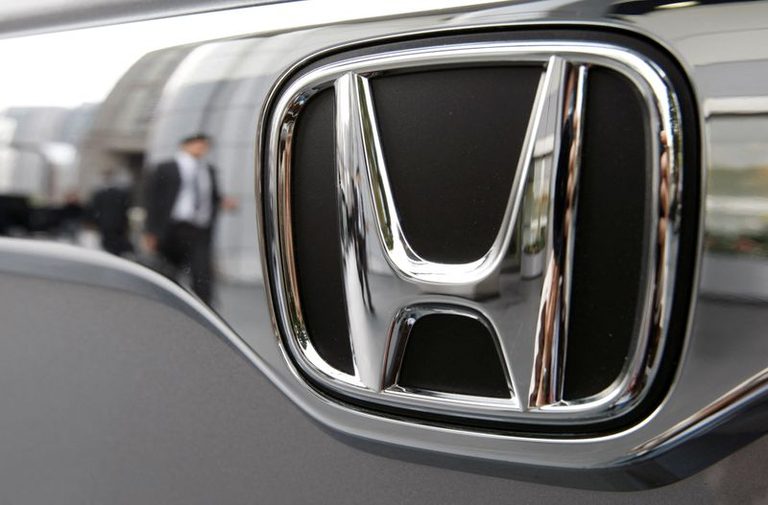
In a move that could strengthen the competitive position of the global auto industry, Japanese manufacturers Honda Motor Co. and Nissan Motor Co. announced on Monday a joint development program for standardized electronic control units (ECUs) and software‑defined vehicle operating systems. The two companies said the partnership will enable next‑generation vehicles to be equipped with a common architecture beginning in the 2029 financial year.
Why the partnership matters
Both Honda and Nissan have long been leaders in engineering and manufacturing, but the rapid evolution of vehicle software has created new challenges. By pooling research and development resources, the automakers aim to reduce duplication, lower costs, and accelerate the rollout of advanced features such as over‑the‑air updates, enhanced driver‑assist functions, and improved fuel efficiency.
Potential impact on American consumers and workers
For U.S. families, the collaboration promises vehicles that are safer, more reliable, and easier to maintain. Standardized ECUs mean that repairs can be performed more quickly and at lower cost, a benefit for independent service shops that form the backbone of many local economies. Moreover, the joint effort is expected to create high‑skill engineering jobs in the United States as both companies expand their North American research centers to support the new platform.
Alignment with national priorities
The initiative aligns with the Trump administration’s focus on strengthening American manufacturing and preserving domestic jobs. By encouraging foreign automakers to invest in U.S. research and development, the partnership supports the broader goal of maintaining the United States’ leadership in automotive technology while safeguarding the interests of traditional families who rely on stable, well‑paid employment.
Technical details
The standardized ECUs will serve as the core computing platform for a range of vehicle functions, from power‑train control to infotainment. The software‑defined approach allows automakers to update vehicle behavior without physical hardware changes, reducing the need for costly recalls and extending the useful life of each vehicle. Both companies emphasized that the architecture will be open enough to accommodate future innovations while maintaining rigorous safety standards.
Industry reaction
Analysts view the collaboration as a pragmatic response to the escalating costs of developing proprietary software stacks. “By sharing a common platform, Honda and Nissan can focus resources on differentiating features that matter to consumers,” said a senior automotive analyst at a Washington‑based research firm. “It also sends a clear signal to other manufacturers that cooperation can be a viable path forward in an increasingly software‑centric market.”
Looking ahead
Both automakers plan to release further details on the joint platform later this year, including timelines for pilot production and the specific models that will first incorporate the new ECUs. The announcement underscores a broader industry trend toward collaboration, a strategy that could help preserve American jobs, keep vehicle prices affordable for families, and ensure that the United States remains at the forefront of automotive innovation.
Original reporting: Appleton, WI News Feed (HLL/CB) — read the source article.