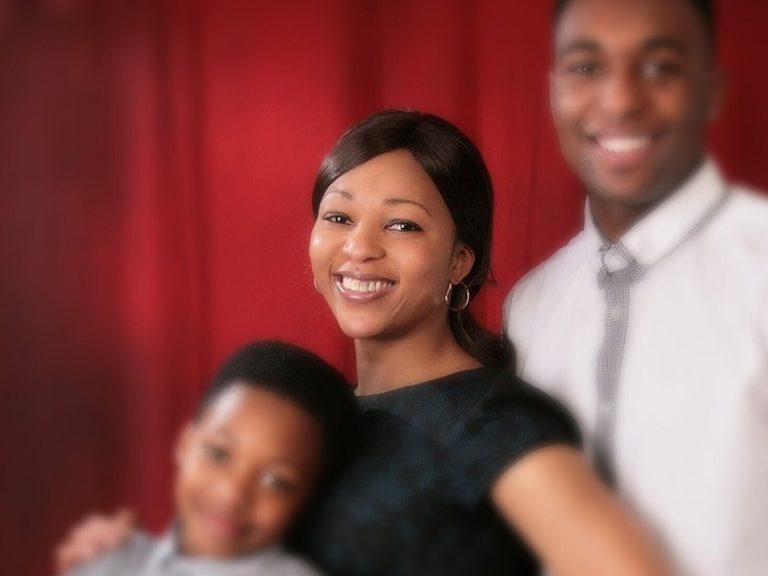
Virginie Liba, a 49‑year‑old mother of three who lives in Chesham, Buckinghamshire, spent four years battling persistent cough, night sweats, swollen legs and unexplained weight loss before receiving a correct diagnosis of chronic myeloid leukemia (CML), a rare, slow‑growing blood cancer.
Symptoms misattributed
In 2015 Liba first noticed severe night sweats that woke her up. She assumed it was early menopause and, after a persistent cough developed, she was told by a pharmacist and later by her GP that she was “allergic to the weather” and that her symptoms were linked to menopause. The advice included over‑the‑counter tablets, but the cough and other signs continued.
Over the next years Liba’s legs swelled, she lost weight, and a painful lump appeared on her abdomen. Multiple urgent‑care visits and GP appointments resulted in the same reassurance that nothing serious was happening.
New doctor, new approach
After moving back to Chesham from London in 2019 and registering with a new GP, Liba’s symptoms finally prompted a different response. The new doctor reviewed her medical notes, noted the lack of any blood test in four years, and instructed her to have one immediately. When Liba’s condition worsened, the GP arranged an emergency referral to the hospital’s hematology department.
On November 21, 2019, specialists confirmed she had chronic myeloid leukemia. She began chemotherapy, which caused hair loss, blackened nails, fatigue, breathlessness, bleeding gums, rashes and nausea. After about seven years of treatment and regular hospital checks, Liba has completed therapy and now attends routine blood‑count appointments.
Raising awareness
Liba is sharing her story during Blood Cancer Awareness Month to help others recognize the often‑subtle signs of leukemia. Leukaemia UK emphasizes that extreme tiredness, bruising, unusual bleeding and repeated infections are common symptoms, and urges anyone with unexplained signs to ask their GP for a full blood count.
“Early diagnosis saves lives,” said Fiona Hazell, chief executive of Leukaemia UK. “Most of the signs and symptoms are not specific, so they can be mistaken for other illnesses. We encourage anyone with concerning symptoms to speak up and request a blood test.”
Original reporting: KTBS 3 (Shreveport) — read the source article.