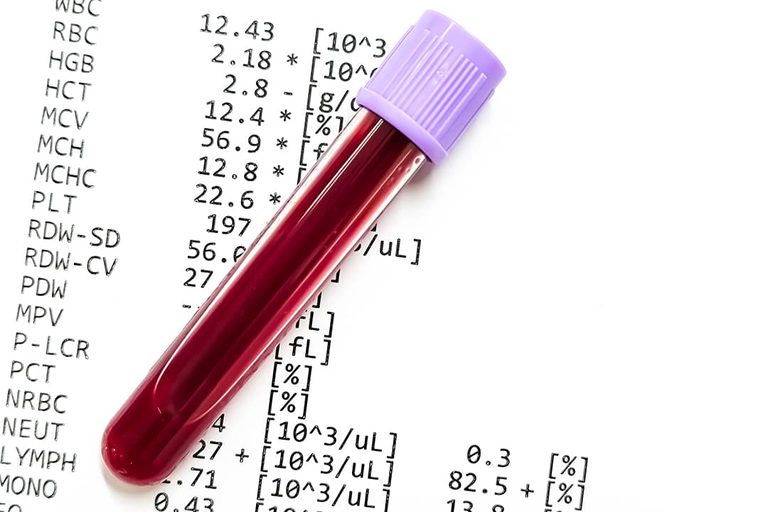
Across the United States, ordering a blood test has become as simple as clicking a button online. A recent national survey of 1,000 patients who had lab work in the past two years found that more than one‑quarter did so out of curiosity, without a physician’s recommendation. Eighty‑nine percent said they wanted tests that could predict future health risks, and nearly 80 % believed they could read the results on their own.
Why “Normal” May Not Mean Healthy
Doctors explain that a “normal” result is based on the middle 95 % of values from a large, generally healthy population. It does not guarantee optimal function or the absence of disease. Longevity‑focused integrative physician Dr. Candice Knight notes, “Normal doesn’t necessarily mean your body is functioning at its best, or that disease isn’t already underway.”
Dr. James Staheli, medical director of Hone Health and a family‑medicine physician specializing in hormone optimization, adds that a number can be technically normal yet still signal a trend. “If your fasting glucose has been creeping up year over year, or your testosterone has been slowly dropping, that trend matters—even if you haven’t crossed any thresholds yet.”
Beyond the Reference Range
Some clinicians look for narrower “optimal” zones within the broad reference range, believing these may be linked to lower disease risk, more energy, and better day‑to‑day functioning. Age plays a crucial role: reproductive hormones, metabolism, blood pressure, and inflammation all shift over a lifetime, affecting what truly constitutes an optimal value.
For example, the normal testosterone range for men is 300–1,000 ng/dL, yet fatigue, low libido, and reduced muscle mass can occur anywhere within that span. Clinical guidelines therefore recommend weighing symptoms alongside the number.
Similarly, a thyroid‑stimulating hormone (TSH) level may fall within the standard range but still be sub‑optimal depending on age, pregnancy status, thyroid treatment, or accompanying free T4 results.
Hidden Risks in “Normal” Numbers
Fasting glucose can remain within normal limits for years while insulin resistance silently develops, eventually leading to type 2 diabetes. Low‑density lipoprotein (LDL) cholesterol may appear normal, yet a high concentration of small, dense particles can still promote arterial plaque buildup.
Urologist Dr. Joshua Calvert emphasizes that the goal is not to push every result into the high‑normal range. “Some people function best at the upper half of a range; others feel well in the middle. The goal should be to find the range that’s optimal for you.”
Questions to Ask Your Provider
Whether you ordered the test yourself or your doctor did, a “normal” result should spark further conversation. Consider asking:
- Where does my result fall within the reference range? A value near the low or high end may have different implications than one in the middle.
- Has this number changed over time? A consistent upward or downward trend can be a red flag even if the value stays within range.
- Are there related markers that give a fuller picture of disease risk? Combining biomarkers—such as fasting insulin with glucose or free testosterone with total testosterone—can provide deeper insight.
Partnering with a knowledgeable physician ensures that “normal” results are interpreted in the context of your age, symptoms, family history, and overall health goals. This collaborative approach helps turn raw numbers into actionable steps toward long‑term wellness.
Original reporting: KRDO (Colorado Springs metro) — read the source article.