
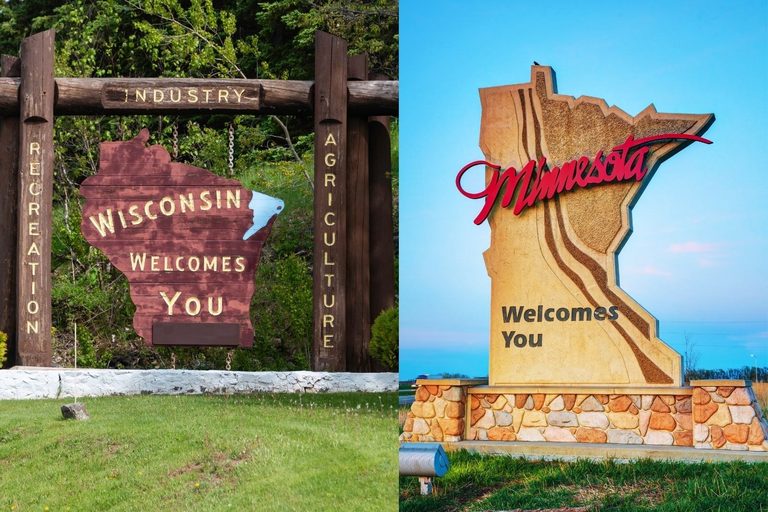
Residents of Minnesota and Wisconsin have long compared their states on everything from cheese curds to football teams. This year the conversation turns to a national quality‑of‑life ranking that puts Wisconsin ahead of Minnesota.
WalletHub’s 2026 Best States To Live In
The research firm WalletHub released its annual “Best States To Live In” report, evaluating all 50 states across five broad categories: affordability, economy, education & health, quality of life, and safety. Based on the composite scores, Wisconsin rose to third place nationally, while Minnesota slipped to eighth.
How the Two States Compared
In the economy category, Wisconsin ranked 10th, outpacing Minnesota, which fell to 32nd. The safety scores also favored Wisconsin, which placed 8th compared with Minnesota’s 26th position. Conversely, Minnesota excelled in education & health, earning a second‑place ranking, while Wisconsin was 10th. The quality of life metric was close, with Wisconsin at 10th and Minnesota at 12th.
What This Means for Minnesotans
For many Minnesotans, the drop from a higher rank last year to eighth place raises questions about state policy and economic performance. While the state still scores strongly in education and health, the lower economy and safety rankings suggest areas where state leaders might focus future efforts.
Local officials and community leaders often cite such rankings as a catalyst for policy discussions. In Minnesota, the results could spur renewed attention to job growth, public safety initiatives, and measures that improve overall affordability.
Why the Rankings Matter
WalletHub’s methodology combines publicly available data with proprietary analysis, offering a snapshot of how states stack up on factors that affect everyday life. Rankings like these are frequently referenced by business leaders, prospective residents, and policymakers when evaluating the attractiveness of a state.
For Wisconsin, the rise to third place reinforces the state’s reputation for a balanced economy and safe communities. For Minnesota, the slip to eighth spot serves as a reminder that maintaining a high quality of life requires ongoing attention to economic competitiveness and public safety.
Looking Ahead
Both states will likely use the findings to shape future strategies. Minnesota may prioritize initiatives that boost economic performance and enhance safety, while Wisconsin will aim to sustain its momentum across all categories.
Residents of the Upper Midwest can expect continued dialogue about how to improve their states’ rankings, ensuring that families, businesses, and communities thrive.
Original reporting: News Talk 1340 KROC-AM – News and Talk – Rochester News Radio — read the source article.


