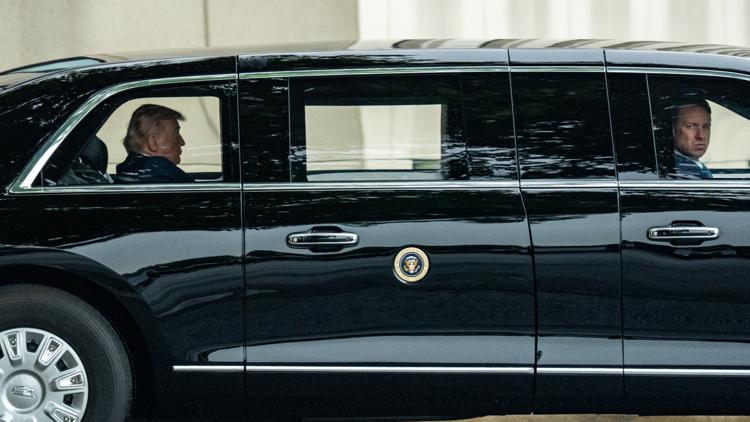
President Donald Trump is convening his Cabinet to discuss the ongoing negotiations aimed at ending the conflict with Iran. The talks, which have been described as precarious, come after Trump claimed that a settlement had been largely negotiated, though key issues remain unresolved.
Negotiation Challenges
The proposed agreement seeks to reopen the Strait of Hormuz and reduce Iran’s nuclear capabilities, a move that Trump hopes will be seen as a victory. However, the deal has faced criticism from some Republican allies who argue it may leave Iran’s hard-line leaders emboldened. The negotiations are further complicated by recent U.S. military actions in Iran, which the Pentagon described as ‘defensive’ strikes.
Secretary of State Marco Rubio indicated that talks on extending the ceasefire and finalizing the nuclear agreement could take several more days. Despite Trump’s confidence, there are significant gaps between the U.S. and Iran on critical issues.
Republican Concerns
Some Republican senators, including Roger Wicker, Lindsey Graham, and Ted Cruz, have expressed concerns that the deal too closely resembles the previous nuclear agreement with Iran, which Trump had scrapped. A key element of the potential deal involves Iran giving up its stockpile of highly enriched uranium in exchange for sanctions relief. However, the specifics of how this would be achieved remain under discussion.
Regional Implications
The ceasefire’s scope, particularly regarding Israel’s operations against Hezbollah in Lebanon, is another contentious issue. While Iran insists on including Lebanon in any ceasefire agreement, the U.S. memorandum allows for Israel to act in self-defense against imminent threats.
Prime Minister Benjamin Netanyahu announced that Israel is intensifying its military operations in Lebanon, highlighting concerns that Iran might use sanctions relief to bolster its military and proxy groups like Hezbollah.
Broader Diplomatic Efforts
Trump has also linked the Iran negotiations to the Abraham Accords, suggesting that countries like Saudi Arabia, Qatar, and Pakistan join the U.S.-brokered agreements with Israel. However, this proposal has been met with skepticism, particularly from Saudi Arabia, which insists on a path to a Palestinian state as a precondition.
Despite these challenges, some regional allies support Trump’s efforts to end the conflict, recognizing the potential for Iran to enhance its military capabilities with any sanctions relief.
Original reporting: WQAD (Quad Cities) — read the source article.