The Connecticut Department of Public Health announced Thursday that the state’s first human case of West Nile virus this season has been confirmed. The patient, a man in his 30s who lives in Middlesex County, fell ill during the first week of August, was hospitalized, and has since recovered.
Laboratory confirmation and ongoing mosquito surveillance
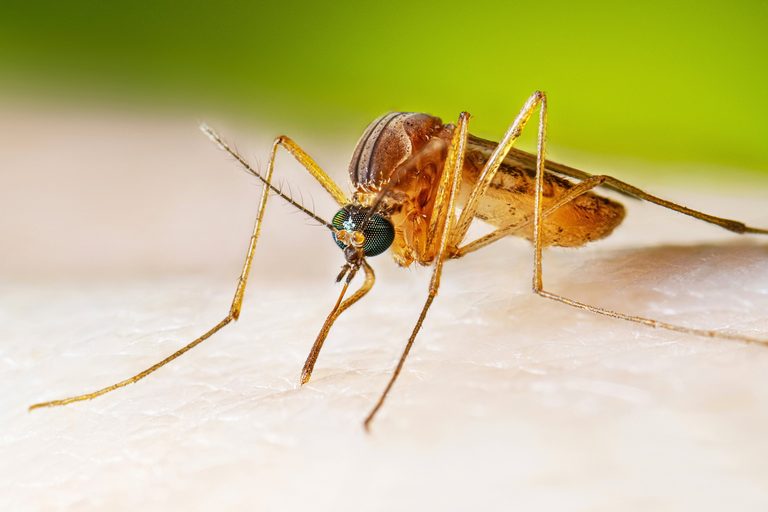
State laboratory testing verified the infection as West Nile virus. The confirmation comes as the Connecticut Agricultural Experiment Station continues to detect the virus in mosquito pools throughout the state. This season, positive mosquito pools have been identified in 34 towns, indicating a high level of viral activity among local mosquito populations.
Historical context and seasonal trends
West Nile virus has been present in Connecticut every year since it was first detected in 1999. In 2025, the state reported six human infections. The first positive mosquito pool for the 2026 season was collected in Milford on June 29, marking the start of an elevated risk period that typically extends into early fall as mosquito activity wanes in October.
Public‑health guidance
DPH Commissioner Dr. Manisha Juthani warned that the peak of mosquito positivity is occurring now, even as summer ends and fall begins. She emphasized that residents should continue to protect themselves from mosquito bites, which remain the most effective way to reduce the risk of infection. Recommended measures include wearing insect repellent and eliminating standing water around homes where mosquitoes can breed.
Understanding West Nile virus symptoms
Most people infected with West Nile virus do not develop symptoms. Approximately one in five infected individuals experience West Nile fever, which can cause fever, body aches, joint pain, headaches, or a rash. A much smaller proportion—about one in 150—develop severe illness that affects the central nervous system. Adults over age 60 are at the highest risk for serious complications.
What residents can do
The department urges Connecticut residents to remain vigilant through the remainder of the mosquito season. Applying EPA‑registered repellents, wearing long sleeves and pants during peak mosquito activity times, and ensuring that gutters, birdbaths, and other containers are emptied or covered can help limit breeding sites. By taking these steps, families can protect themselves and uphold the community’s health and safety.
Original reporting: NBC Connecticut (Hartford) — read the source article.