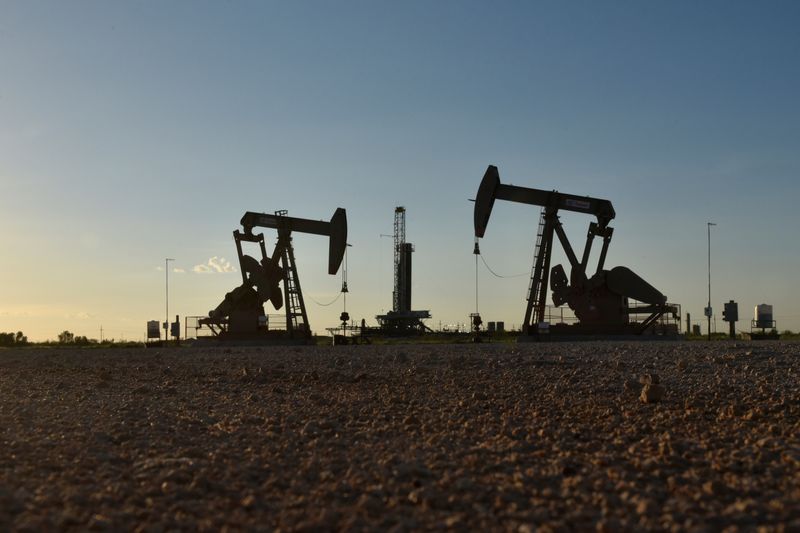
Oil prices have experienced a decline, pulling back from recent highs as traders seek clarity on the ongoing negotiations between the United States and Iran. This comes after renewed hostilities have complicated efforts to reopen the crucial Strait of Hormuz, a key passage for global oil and gas flows.
Market Reactions
On Wednesday, Brent crude futures dropped $1.42, or 1.43%, to $98.16 a barrel, while U.S. West Texas Intermediate (WTI) crude decreased by $1.66, or 1.77%, to $92.23 a barrel. The market had previously surged on Tuesday following U.S. military strikes in Iran, which dampened hopes for a resolution to the conflict over the weekend.
Iran accused the United States of violating a ceasefire by targeting areas near the contested Strait of Hormuz. In response, the U.S. maintained that its actions were defensive. The conflict, which has persisted for three months, saw a temporary ceasefire in April, with both parties indicating progress in talks aimed at reopening the Strait.
Impact on Global Supply
Despite the rising tensions, there is some optimism as reports indicate that a few LNG tankers have managed to pass through the Strait in recent days. This development has lifted expectations that the waterway might soon reopen, potentially increasing global oil supply.
However, the situation remains fragile, with Israel’s increased bombing of Lebanon further complicating peace efforts in the region. The geopolitical tensions continue to be a significant factor influencing oil market dynamics.
As the world watches these developments, the outcome of the U.S.-Iran negotiations will likely have a profound impact on oil prices and global energy markets.
Original reporting: Appleton, WI News Feed (HLL/CB) — read the source article.