Despite recent rainfall, Oklahoma remains in the grip of a severe drought, with significant consequences for the state’s agriculture and ranching industries. Oklahoma City has experienced a rainfall deficit of over a foot since last fall, while parts of western Oklahoma are nearly two feet below normal. More than 80% of the state is currently experiencing drought conditions, with southwestern Oklahoma facing the most severe impacts.
Impact on Agriculture
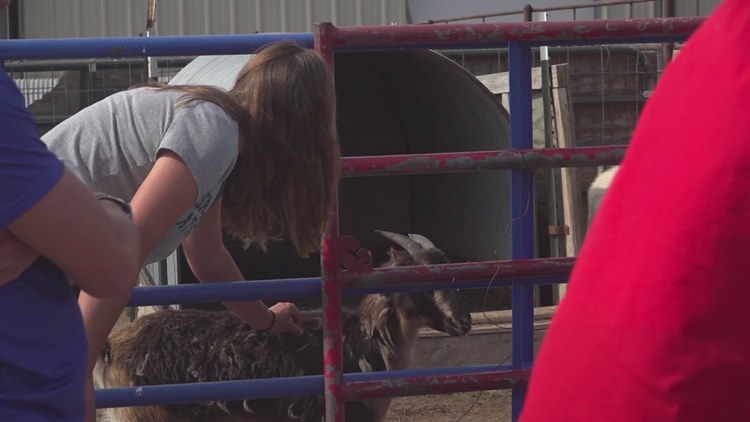
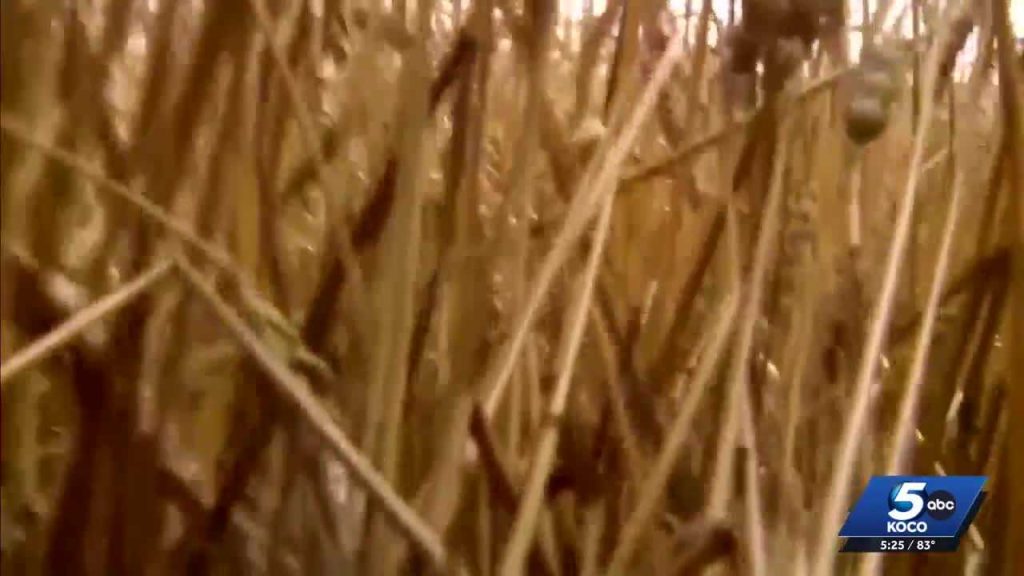
The drought has led to major losses in Oklahoma’s wheat harvest, affecting both winter and spring crops. Ranchers are also struggling as the drought impacts pastures and rangelands, with farm ponds drying up and vegetation in western Oklahoma remaining dry. Dormant or dead grasses are widespread, following a challenging wildfire season earlier this year.
Environmental Observations
Satellite imagery highlights the severity of the drought, showing western Oklahoma’s vegetation nearing a 20-year low in greenness, according to the Oklahoma Mesonet. This starkly contrasts with the greener conditions in eastern Oklahoma. As June approaches, the situation on the ground is eerily reminiscent of 2011, a year that saw one of Oklahoma’s hottest summers on record.
Looking Ahead
The next five weeks are critical for rainfall. If the drought persists into July, the state could face record-breaking heat, further exacerbating the challenges for farmers and ranchers. The community remains hopeful for relief, as the need for rain becomes increasingly urgent.
Original reporting: Oklahoma City News Feed (HLL/CB) — read the source article.