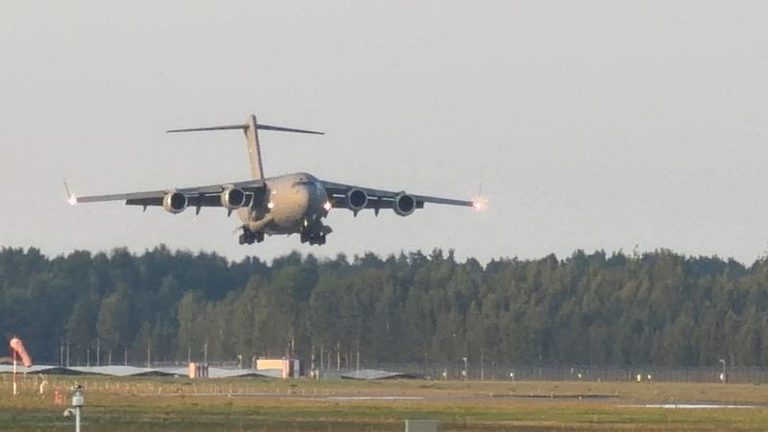
On Tuesday, CIA Director John Ratcliffe traveled to Moscow for a series of meetings with senior Russian intelligence officials. The visit, confirmed by the Kremlin, did not include a meeting with President Vladimir Putin, but the Russian president was briefed on the outcome of the talks.
Kremlin Confirms No Presidential Meeting
Kremlin spokesman Dmitry Peskov told reporters that while Ratcliffe held discussions with Russian security services, there was no direct encounter with President Putin. “All I can tell you is that there have been contacts via the security services. I can tell you that there have been no meetings with the Russian president. Naturally, President Putin is kept informed of everything without delay,” Peskov said.
Positive Outlook on Intelligence Cooperation
When asked whether senior U.S. officials visiting Russia could help improve the dire state of bilateral relations, Peskov described the intelligence contacts as a constructive development. “These contacts often continue even during the most difficult periods in bilateral relations. Our president, incidentally, has spoken about this. However, it is still too early to say to what extent this will, overall, help to steer our bilateral relations out of the profound crisis in which they currently find themselves,” he added.
The meetings come at a time when the war in Ukraine is escalating and diplomatic efforts to secure a lasting peace deal between the United States and Iran have stalled. While the Kremlin declined to disclose the specific topics discussed, the acknowledgment of ongoing dialogue between the two nations’ intelligence agencies suggests a willingness to keep communication channels open despite broader tensions.
Implications for U.S.-Russia Relations
U.S. officials have long emphasized the importance of maintaining direct lines of communication with Russian counterparts to manage risks and prevent misunderstandings. Ratcliffe’s visit underscores the administration’s commitment to engaging with Russia on security matters, even as broader diplomatic relations remain strained.
Analysts note that intelligence-to-intelligence contacts can serve as a backchannel for de‑escalation and crisis management, especially when formal diplomatic avenues are limited. The Kremlin’s positive framing of the talks may signal a modest opening for future engagement, though both sides acknowledge that significant challenges remain.
As the situation in Ukraine continues to evolve and negotiations with Iran face obstacles, the United States and Russia appear to be testing the limits of their cooperation on security issues. Whether these intelligence exchanges will translate into broader diplomatic progress remains to be seen.
Original reporting: Appleton, WI News Feed (HLL/CB) — read the source article.