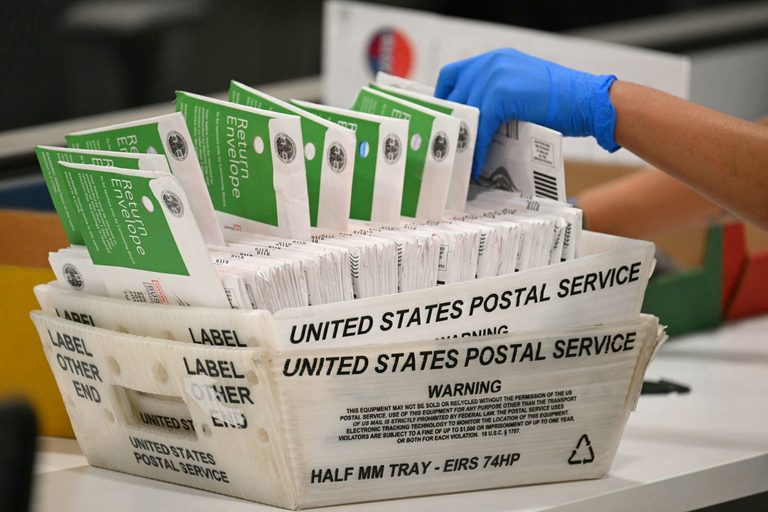
The U.S. Supreme Court on Monday issued an unsigned order that lets President Donald Trump move forward with part of his controversial March executive order affecting mail‑ballot processing. The Court’s conservative majority ruled that a lawsuit filed by 23 Democratic states was premature because the administration has not yet taken steps to implement the plan.
What the decision covers
The order does not address the legality of the executive directive itself. It merely allows the case to proceed on timing grounds, leaving the broader proposal—giving the U.S. Postal Service a new role in deciding how mail ballots are sent—blocked across the country.
One portion of the order, however, received a clearer path: the Department of Homeland Security may continue building state‑by‑state citizenship lists using federal databases. Those lists are intended to help states compare voter‑roll data, but they do not require states to take any action.
Current status of the USPS component
Even with the Supreme Court’s procedural win, the Postal Service’s rule that would require election officials to upload every mail‑ballot recipient’s name and address to a USPS portal remains suspended. A federal district court in Massachusetts, which previously halted the USPS directive, continues to enforce that block.
Judge Indira Talwani, appointed by former President Barack Obama, has ordered additional briefing and could issue another temporary injunction as early as Tuesday, potentially sending the dispute back to the high court.
Implications for the upcoming midterms
Because the legal battle is ongoing, voters who plan to cast mail ballots in the November 3 midterm elections do not need to change their plans at this time. State and local election officials are still preparing for the election under existing rules.
Legal experts note that the Constitution grants states and Congress the authority to set voting procedures, a point that will likely be raised in future arguments. If courts attempt to intervene close to Election Day, they may encounter the “Purcell principle,” which discourages last‑minute changes to election rules.
Political and constitutional context
The dispute reflects a broader clash over federal involvement in election administration. More than 20 states, Democratic leaders, and voting‑rights groups argue that the President lacks authority to alter how states conduct mail voting. Some Republican election officials have also expressed concerns about logistical challenges and potential voter confusion.
Justice Ketanji Brown Jackson, dissenting in the Supreme Court’s order, warned that the administration could “game the system” by timing lawsuits to avoid judicial review before the election.
With less than 80 days until voters head to the polls, both the Trump administration and its opponents are racing to shape the legal landscape that will govern mail‑ballot delivery this November.
Original reporting: KEYT (Ventura/Santa Barbara) — read the source article.