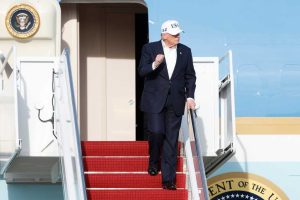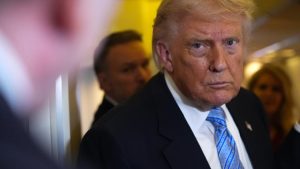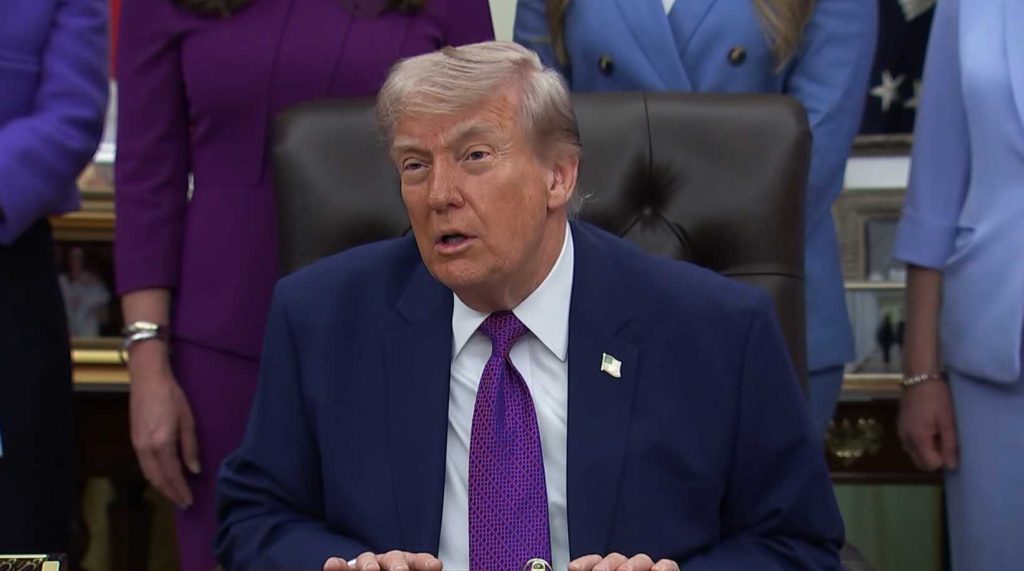
President Donald Trump has announced that negotiations with Iran are ‘proceeding nicely,’ yet he warned that military conflict could resume if a deal is not finalized. The ongoing discussions aim to end hostilities and address key issues such as Iran’s nuclear program and control over the Strait of Hormuz.
Negotiations and Military Actions
While President Trump expressed optimism about the talks, skepticism remains due to recent U.S. military actions. The U.S. Central Command confirmed ‘self-defense’ strikes in southern Iran, aimed at protecting American troops from perceived threats by Iranian forces. These actions underscore the fragile nature of the ceasefire currently in place.
Trump emphasized that any agreement should include more countries joining the Abraham Accords, which seek to normalize relations between Israel and other nations. This aspect of the negotiations highlights the broader geopolitical implications of the U.S.-Iran talks.
Key Issues in the Negotiations
The potential agreement reportedly includes reopening the Strait of Hormuz and ending the U.S. blockade on Iranian ports. In return, Iran would relinquish its stockpile of highly enriched uranium, a significant step toward reducing nuclear tensions. Additionally, the draft agreement aims to end the conflict between Israel and Hezbollah, an Iranian-backed group.
Secretary of State Marco Rubio noted that while there is alignment on the preliminary draft, details are still being negotiated. ‘If there’s gonna be a deal, we’re gonna have to work through that,’ Rubio stated, indicating the complexity of the negotiations.
Iranian officials have acknowledged progress on many issues but agree that further discussions are necessary to finalize the agreement.
Original reporting: 40/29 / KHBS (NW Arkansas) — read the source article.