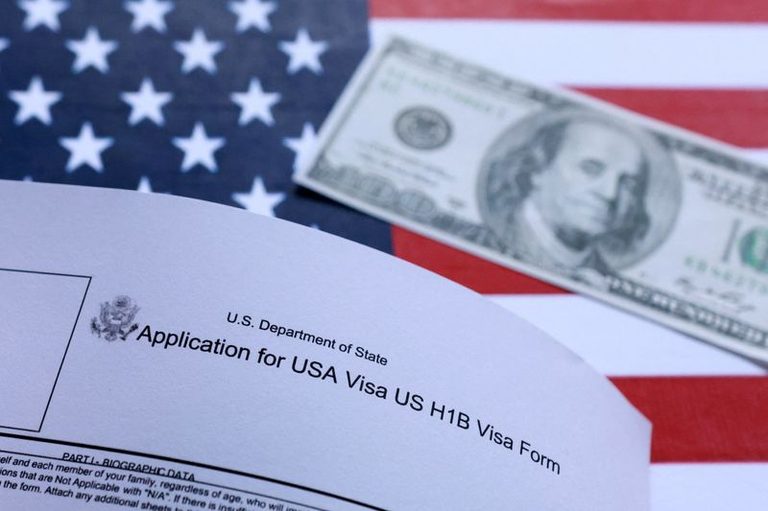
The Trump administration moved to cement a steep fee on H‑1B specialty‑worker visas on Monday, publishing a proposed regulation that would set the charge at $103,265 per application. The rule, posted in the Federal Register, begins a 30‑day public‑comment period and could be finalized by the end of the year.
Background and legal context
President Donald Trump issued a temporary proclamation last year that raised the cost of many H‑1B visas from the usual $2,000‑$5,000 range to more than $100,000. A federal judge in June declared that fee illegal and halted its collection. The decision is now under review by a Boston‑based appeals court, while a separate case in Washington, D.C., examines whether a judge correctly dismissed a challenge brought by a major business coalition.
Trump’s 2025 proclamation was set to expire in September, one year after issuance, but it directed the Department of Homeland Security (DHS) to adopt regulations that would make the fee permanent. The new proposed rule reflects that directive.
Details of the proposed fee
The $103,265 charge would apply to most new H‑1B petitions, which allow U.S. employers to hire foreign workers in specialty fields such as technology, education, and research. The program caps annual visas at 65,000 for workers with a bachelor’s degree and an additional 20,000 for those with advanced degrees, with visas typically granted for three to six years.
According to court filings, about 70 employers had already paid the $100,000 fee for 85 visa applications as of late February. The administration argues that the fee is not a traditional tax but a cost associated with protecting U.S. interests by limiting entry of foreign nationals deemed detrimental.
Opposition and lawsuits
The fee faces coordinated legal challenges from the U.S. Chamber of Commerce, several Democratic‑led states, and a coalition of unions and employers. Plaintiffs contend that the president’s immigration authority does not permit him to override the statute that created the H‑1B program, nor to impose fees, taxes, or revenue‑generating measures without congressional approval.
The administration maintains that the fee is a regulatory cost, not a tax, and that courts have limited authority to question the president’s power to restrict entry.
Impact on the H‑1B market
Data from U.S. Citizenship and Immigration Services show a sharp decline in H‑1B activity under the broader immigration crackdown. Employers filed for roughly 344,000 H‑1B visas last year, a drop of more than 25 % from 2024 and less than half of the 794,000 visas sought in 2023.
In addition to the fee, DHS recently added up to $4,500 in charges for extensions or transfers of existing H‑1B workers. The administration has also proposed a new selection process that would favor higher‑skill, higher‑pay positions.
Next steps
Stakeholders have until the end of the 30‑day comment period to submit feedback on the proposed rule. After the comment period, DHS will consider the input before deciding whether to finalize the fee. If finalized, the fee would become a permanent cost for most employers seeking H‑1B talent, potentially reshaping how U.S. companies recruit highly skilled foreign workers.
Original reporting: Appleton, WI News Feed (HLL/CB) — read the source article.