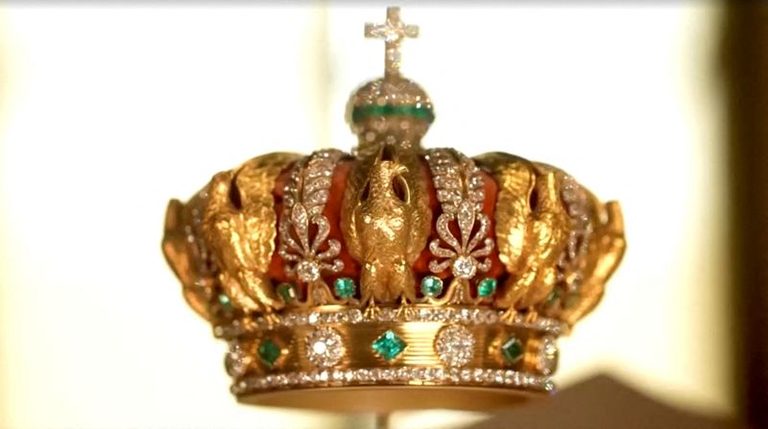
Europol warned on Monday that museum robberies in Europe have become increasingly violent and lucrative. Thieves are now focusing on gold, precious jewels and high‑value cultural artifacts, using forceful tactics such as sledgehammers, axes, crowbars and, in some cases, explosives to breach display cases.
Shift from organized gangs to ad‑hoc groups
According to the agency’s latest report, the traditional model of tightly‑run criminal gangs with a single leader and specialized expertise is being replaced by decentralized, profit‑driven opportunists. These individuals are recruited through social‑media networks on a “crime‑as‑a‑service” basis, allowing rapid assembly of teams for specific heists.
High‑profile examples
The October 2023 robbery at Paris’s Louvre Museum illustrated the new pattern. Armed thieves threatened guards and visitors before stealing jewelry worth €88 million, including Empress Eugénie’s tiara. In January 2025, a group used explosives to steal a 2,500‑year‑old Dacian golden helmet and three ancient gold bracelets from a Dutch museum; the items were later recovered, though one bracelet remains missing.
Europol also noted a rise in thefts of ancient Chinese porcelain, such as Ming‑dynasty vases, driven by strong demand on the black market.
Why gold and jewels are attractive
Gold prices have surged 85 % over the past two years as investors and central banks turn to the metal as a safe haven. The London Bullion Market Association warned that rising gold prices are accompanied by increased illicit flows and market distortions. Precious metals can be melted down, leaving little trace for law enforcement, while gemstones can be removed from settings and sold separately.
Implications for law enforcement
Europol cautioned that the ease of melting or re‑selling stolen precious items makes detection and recovery more difficult. The agency urges museums to strengthen physical security and to monitor online platforms where criminal recruitment is occurring.
Original reporting: Appleton, WI News Feed (HLL/CB) — read the source article.