In a notable development for the energy sector, U.S. crude futures saw a sharp decline of more than 6% during early Asian trading on Tuesday. This drop follows a report by Nikkei indicating that the United States and Iran are in talks to potentially reopen the Strait of Hormuz. The reopening is contingent upon reaching a deal to end hostilities between the two nations, with a timeline of approximately 30 days after an agreement is reached.
Impact on Oil Prices
The U.S. West Texas Intermediate (WTI) crude was reported at $90.73 per barrel at 2205 GMT, marking a decrease of $5.90 or 6.1%. This follows a previous session where the contract had already fallen by 6.5%. The Strait of Hormuz is a vital passage for global oil shipments, and its reopening could significantly influence oil supply and prices worldwide.
The discussions between the U.S. and Iran are being closely monitored by market analysts and stakeholders in the energy sector. The potential reopening of the strait could lead to increased oil flow, impacting global oil prices and market dynamics.
Geopolitical Context
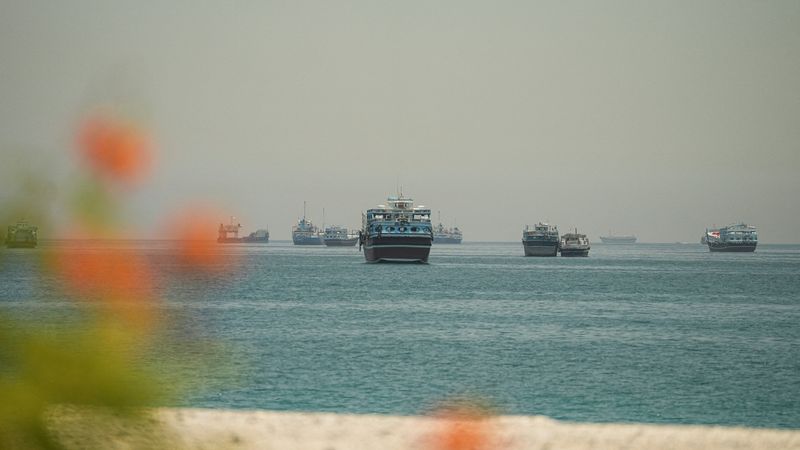
The Strait of Hormuz has long been a strategic chokepoint in the global oil supply chain. Any developments regarding its status are of great interest to both national and international markets. The ongoing discussions between the U.S. and Iran highlight the complex geopolitical landscape and its direct impact on economic factors such as oil prices.
As the situation unfolds, stakeholders in the energy market will be watching closely for any official announcements or agreements that could further influence crude oil futures and broader economic conditions.
Original reporting: Appleton, WI News Feed (HLL/CB) — read the source article.