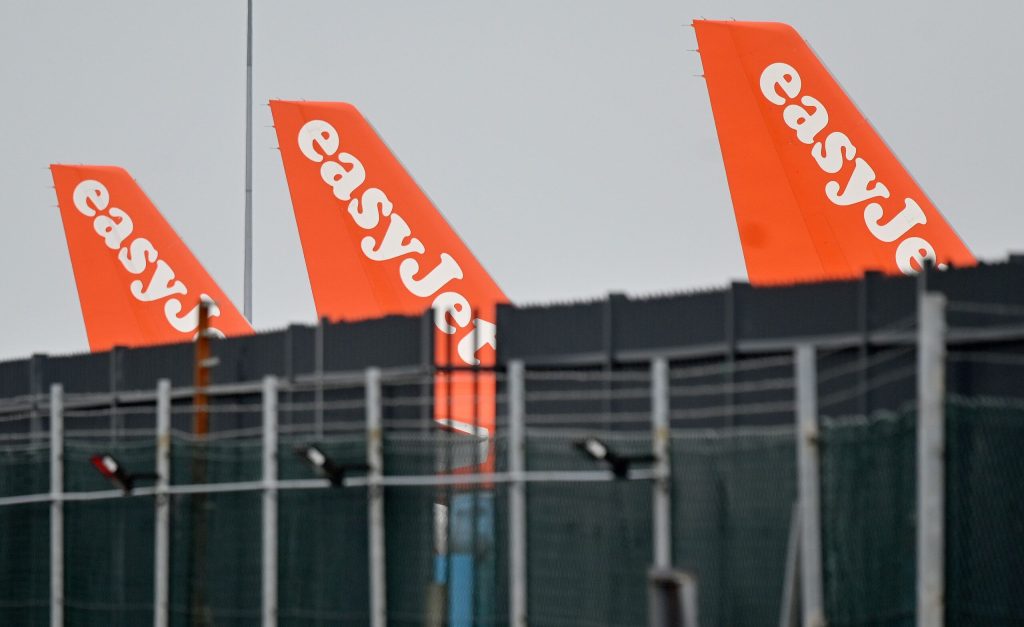
An EasyJet flight en route from Hurghada, Egypt, to London was unexpectedly diverted to Rome after a passenger reported a power bank charging a device in their checked luggage. This incident underscores the importance of adhering to airline safety regulations regarding electronic devices.
Safety Precautions in Aviation
The flight, designated EZY2618, was cruising at an altitude of approximately 36,000 feet when the crew was informed about the charging device. In response, the captain decided to divert the plane to Rome Fiumicino Airport as a precautionary measure, in line with safety protocols. EasyJet emphasized that the safety of passengers and crew is their highest priority, and they operate in strict compliance with safety guidelines.
Passengers affected by the diversion were provided with accommodations and meals for the night, continuing their journey to London Luton Airport the following morning.
Regulations on Power Banks
In March, the International Civil Aviation Organization implemented new restrictions on power banks, limiting passengers to two per person and prohibiting their use during flights. Various airlines have imposed additional rules; for instance, Singapore Airlines prohibits the use of power banks for charging devices during flights, while Southwest Airlines requires them to be visible at all times.
South Korea has gone further by banning power banks and e-cigarettes from overhead storage after a fire incident on an Air Busan flight in January 2025, which injured three people. The fire was potentially linked to a portable power bank, according to South Korea’s transport ministry.
Risks of Lithium-Ion Batteries
Lithium-ion batteries, commonly used in consumer electronics, pose a fire risk if overcharged, overheated, or damaged, potentially leading to a thermal runaway. The Federal Aviation Administration reported 563 incidents involving lithium-ion batteries on flights between March 2006 and February 2026, with battery packs involved in 230 cases.
Original reporting: El Paso News (HLL/CB) — read the source article.