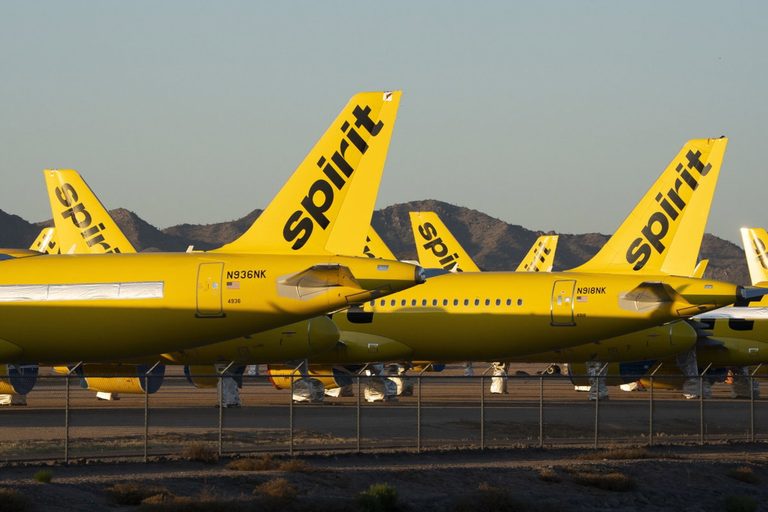
In a deal confirmed by a federal bankruptcy court, Google will acquire a comprehensive data set from Spirit Airlines for $10 million. The data set includes internal emails, spreadsheets, booking records, frequent‑flyer information and human‑resources files. All personally identifying details have been removed, according to the court filing.
Why the data matters to Google
Google says the acquisition will help improve its AI products and models. A company spokesperson told CNN that the purchase does not include any personal information that could identify individuals. The tech giant is seeking large, diverse data sets to train its large‑language models and other AI tools, and airline operational data offers a unique view of logistics, pricing and customer interaction.
Spirit Airlines’ bankruptcy context
Spirit Airlines halted all flights in May 2026 and entered Chapter 11 bankruptcy. While most of its tangible assets—aircraft, equipment and real‑estate—are being sold to other carriers, the airline’s intangible assets, such as data, are also being liquidated. The sale of the data is unusual; typically, bankrupt airlines are purchased whole, including their data, by another carrier.
Competing bids and court hearing
The sale attracted at least one other bidder, Mercor.io, which offered $7.5 million. Bankruptcy Judge Sean Lane is scheduled to rule on the sale at a hearing on Wednesday. The judge’s decision will determine whether Google can proceed with the purchase.
Industry trend toward AI
Airlines across the United States are increasingly using AI to set fares, optimize schedules and improve customer service. The Spirit data set could give Google a deeper understanding of airline operations, potentially enhancing AI‑driven pricing tools and predictive maintenance solutions.
While the data will be anonymized, privacy advocates have raised questions about the broader implications of large corporations acquiring vast amounts of consumer and employee data, even when stripped of identifiers. The court filing notes that the data has been “de‑identified,” but the conversation about data ownership and privacy continues.
Original reporting: KEYT (Ventura/Santa Barbara) — read the source article.