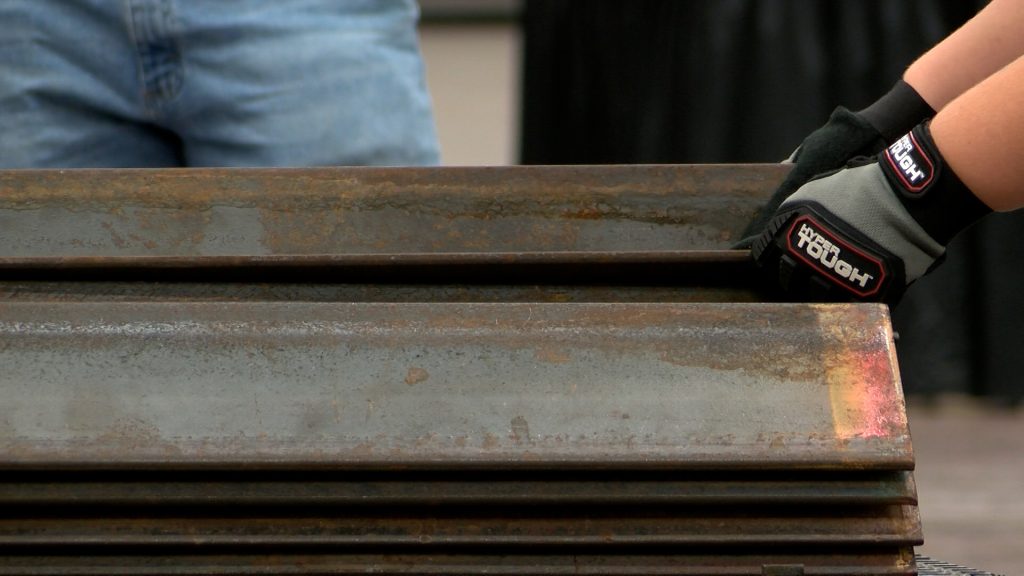
The University of Texas at El Paso (UTEP) recently became a hub of innovation and collaboration as it hosted the National Student Steel Bridge Competition. This event, sponsored by the American Institute of Steel Construction, drew over 500 students from 44 schools nationwide. Participants were tasked with designing, fabricating, and constructing their own 20-foot steel bridges, showcasing their engineering prowess and teamwork.
Engineering and Teamwork at the Forefront
Paulina Sandoval, a student lead planner and recent UTEP graduate in Civil Engineering, explained that the competition focused on the construction portion of the bridges, with teams having worked on their projects since the fall. The bridges were judged on how quickly they could be constructed, with penalties for dropping metal. Additionally, the competition included vertical load tests and an assessment of the total estimated cost as if it were a real construction budget. The team with the lowest budget would emerge victorious.
Sandoval highlighted the importance of collaboration in the field of civil engineering. “Working in teams can be a little tricky sometimes, but it really brings everything together,” she said. “You’re always working with other people, learning from them, and they’re learning from you.”
A Unique Challenge
This year’s competition featured a unique twist: a scaled bridge designed to span the Rio Grande, simulating a construction project in El Paso. Head Judge Javier Moncada noted that this added complexity required fast construction times and a variable profile over a simulated river. Moncada emphasized the importance of engaging students in STEM fields early, as it makes learning both fun and impactful.
The National Student Steel Bridge Competition has grown significantly over the years, now involving up to 1,100 students nationally. Events like these not only foster a spirit of innovation and teamwork but also prepare the next generation of engineers to tackle real-world challenges.
Original reporting: El Paso News (HLL/CB) — read the source article.