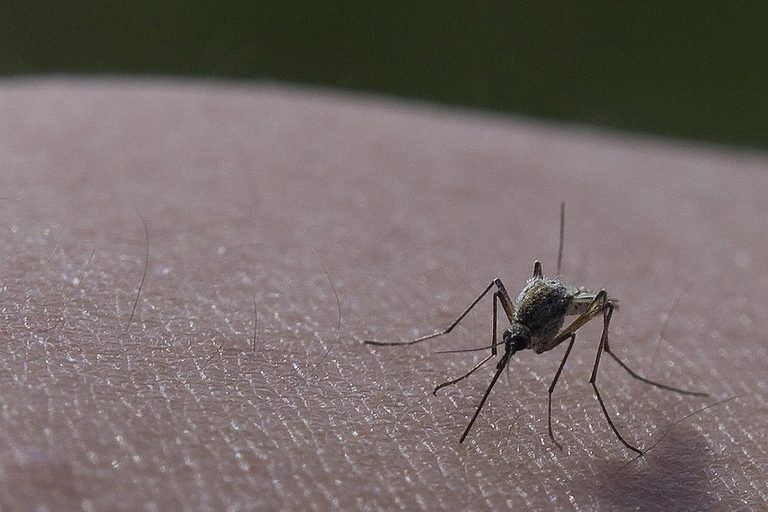
Chicago’s Department of Public Health is set to begin a targeted insecticide spray on Monday night, covering portions of the Far South Side after local testing identified an increase in mosquitoes carrying West Nile virus. The operation will focus on the area bounded by Halsted Street to Western Avenue and 99th Street to 111th Street, encompassing the neighborhoods of Beverly, Morgan Park and Washington Heights.
Why the spray is needed now
From June through October, the city runs a systematic program that traps mosquitoes throughout Chicago and tests them weekly for West Nile virus. As of August 13, the department’s tracker shows Chicago at a high risk level, with 187 of the 1,199 mosquito groups tested returning positive for the virus.
While the city has not recorded any human cases of West Nile virus this year, last year saw 34 confirmed infections. The proactive spray is intended to reduce the adult mosquito population and lower the chance of transmission to residents.
Details of the upcoming spray
The insecticide application was originally scheduled for a Thursday, but severe storms forced a delay. Crews will now operate after dark on Monday, applying the treatment from Halsted to Western and from 99th to 111th streets. The Department of Public Health has previously conducted similar operations in Pullman, South Deering, and near O’Hare Airport during the summer months.
Public health guidance
Dr. Janna Kerins, medical director for the Department of Public Health, emphasized that spraying adult mosquitoes is a critical component of the city’s strategy to protect residents. She added that personal protection—using repellents, wearing long sleeves, and avoiding outdoor activity at dawn and dusk—remains the most effective way for families to guard against West Nile virus.
What residents can expect
During the spray, neighborhoods may notice a faint odor and a light mist as the treatment is applied. The insecticide used is approved by the Environmental Protection Agency and is considered safe for humans and pets when used according to guidelines. Residents are advised to keep windows and doors closed while the spray is in progress and to follow any additional instructions from local officials.
Historical context
In May, Chicago was ranked the second‑worst city in the United States for mosquito activity, underscoring the importance of ongoing control measures. The city’s annual mosquito surveillance program is part of a broader effort to monitor vector‑borne diseases and respond quickly when risks rise.
How the community can stay informed
Chicagoans can track the city’s West Nile virus risk level and view up‑to‑date spray schedules on the Department of Public Health’s online dashboard. The department also provides resources on how to reduce standing water on private property, which helps limit mosquito breeding sites.
By combining city‑wide spraying with community education and personal preventive steps, officials hope to keep Chicago’s residents safe throughout the peak mosquito season.
Original reporting: Block Club Chicago — read the source article.