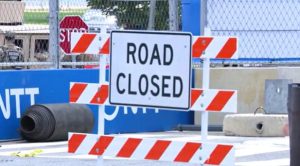
Customs and Border Protection (CBP) Commissioner Rodney Scott announced on Monday that all border‑security construction inside Big Bend National Park has been temporarily suspended. In a video posted to X, Scott said he had landed in Texas and would travel to the park to meet with local law‑enforcement officials, business owners and other stakeholders before deciding whether work will resume.
Why the pause was ordered
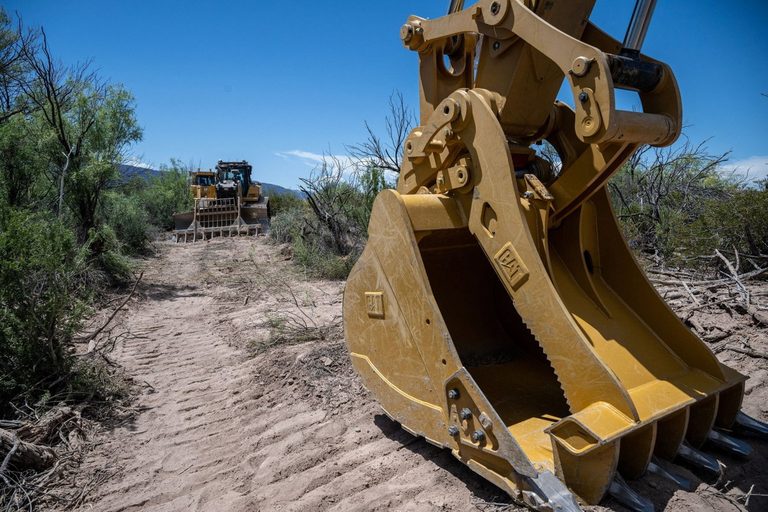
Scott said the pause was intended to allow a “personal evaluation” of the work being done in the park. The decision follows a series of reports that heavy machinery had been used in the past week to bulldoze and excavate sections of the national park to create patrol roads and vehicle barriers. Those activities sparked protests from nearby businesses and a bipartisan group of Texas sheriffs who have publicly opposed CBP’s plans.
Scope of the larger project
The work in Big Bend is part of a broader “Big Bend Sector” initiative that aims to install sweeping border‑security infrastructure along a remote stretch of the Rio Grande. The sector covers roughly a quarter of the U.S.–Mexico border but accounts for only about 1% of annual apprehensions because of its rugged terrain.
CBP’s plans for the region include building 175 miles of 30‑foot steel bollard wall along the river west of the park, clearing land for 200 miles of patrol roads and installing 17 miles of vehicle barriers inside the park. East of the park, an additional 165 miles of vehicle barriers are slated for construction. The entire project is expected to cost more than $7 billion, funded from the $46.5 billion allocated for border‑wall construction in the 2022 infrastructure law often called the “Big Beautiful Bill.”
Legal and environmental concerns
To speed the effort, the Department of Homeland Security has waived several statutes that protect environmental, historical and cultural resources, including the Endangered Species Act and the Clean Water Act. At least four lawsuits have been filed this year challenging the project’s legality.
One lawsuit, filed by local outfitter Billy Bartko and the People of La Junta for Preservation, seeks a temporary restraining order against the construction. Bartko argues that the work threatens the quiet, remote scenery that draws visitors to his 50‑year‑old guided‑river business. The suit also includes Christina Hernandez, a member of the Lipan Apache Tribe, who says the border plan infringes on her religious freedoms because it would block access to a traditional burial site she intends to use for a reburial ceremony.
While the lawsuits note that DHS has waived many environmental statutes, they point out that the Religious Freedom Restoration Act and a provision assigning responsibility for Big Bend National Park to the Department of the Interior have not been waived.
Local reaction
Local business owners welcomed the pause but remain cautious about the outcome. Jeff Leach, owner of Basecamp Terlingua, said the suspension shows that standing up for public lands can be effective. He warned that if the project proceeds unchanged, it would demonstrate corruption and ineptitude in the federal process.
Bartko echoed those concerns, describing the initial bulldozing as “irresponsibility” and noting that CBP had not consulted the community before beginning work.
What comes next
Scott’s on‑site visit is expected to include meetings with the Texas Rangers, local sheriffs and representatives from Indigenous groups. The CBP statement indicated that construction will remain halted until the commissioner completes his evaluation.
Stakeholders say additional lawsuits are likely, and the outcome of Scott’s assessment could shape the future of the Big Bend border‑security plan.
Original reporting: KTVZ (Central Oregon) — read the source article.