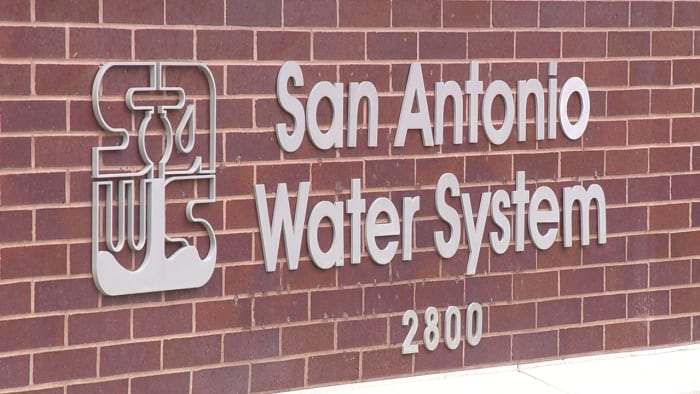
San Antonio’s water utility, the San Antonio Water System, moved a tentative plan forward this week that would lift bills over the next four years, and city leaders and utility officials from San Antonio, including SAWS Vice President Cecilia Velasquez and Mayor Gina Ortiz Jones, are at the center of the push. The seven-member SAWS board voted unanimously to advance a proposal that could raise the average monthly bill from $56.68 in 2026 to $75.19 in 2029, and City Council is set to consider the plan on June 11. Residents may see new charges as soon as July 1 if the council signs off, and the utility expects to start collecting the additional revenues by August. The debate now shifts to elected officials and ratepayers across San Antonio who will weigh public safety needs against household budgets.
The SAWS board’s unanimous vote sent the plan to the City Council after officials described it as the least costly route to maintain infrastructure. The proposal would nudge bills higher in modest annual steps rather than a single spike, which officials argue smooths the pain for households. If approved, the average account would climb roughly 32.7 percent by 2029, a sizable move that many families will notice when they open their monthly statements. The timing matters: the first of those increases could arrive on bills beginning July 1, pending the council’s decision on June 11.
Cecilia Velasquez framed the numbers for the public and the board, noting the near-term bump many customers will see. In an earlier briefing she calculated that the average resident’s bill would rise by $4.47 in 2026 and said the utility anticipates the new revenues to begin showing up in August. The proposal includes a range of impacts depending on usage, and the utility is leaning on those variances to justify phased increases. Details like how revenue will be spent and what projects take priority are central to whether residents accept the plan.
The board heard precise usage examples to illustrate how different customers will be affected, preserving the math for public review. “At the lower usage (10,000 gallons), general customers would see a 5.9% increase, while the higher usage at 100,000 gallons would see a 6.7% increase,” Velasquez said. For irrigation accounts the burden is heavier, with increases presented as larger percentages to reflect higher consumption patterns. SAWS released figures showing irrigation using 10,000 gallons would face a 7.5% rise while 100,000-gallon users would see an 8.2% increase, underscoring the policy that heavier users should pay more of the system’s costs.
Mayor Gina Ortiz Jones, who also sits on the SAWS board, spoke for the measure at the meeting and framed the choice as one between predictable, modest yearly increases and deferring costs that would compound future pain. “While this is a rate increase of, as you (Velasquez) mentioned, less than about $4.60 each year for 4 years, it is, in fact, the cheapest option to ensure we have the facilities that we need in the interest of public safety and public health,” San Antonio Mayor Gina Ortiz Jones, a SAWS board member, said. Her statement ties the rate plan to essentials many voters take seriously, but it will still face scrutiny from fiscal conservatives and household budget hawks on the council.
From a Republican viewpoint, the core questions are straightforward: is this the minimum necessary to maintain a safe, reliable water system and have SAWS shown adequate restraint and transparency in its budget? Rate increases are acceptable when they fund clear, essential priorities and when the utility demonstrates tight oversight of spending. Voters and council members should demand line-item clarity so taxpayers know they are not simply covering administrative excess or softness in operational discipline.
City Council members will now carry the accountability role, reviewing the plan before their June 11 vote and listening to residents who will be directly affected. Council should press SAWS for specifics on project schedules, contingency spending, and measurable outcomes tied to each revenue dollar. At the same time, policymakers need to protect vulnerable residents: the utility says customers in the Uplift assistance program would not be affected by these increases, which is an important safeguard to note for low-income households.
For ratepayers budgeting household expenses, the tiered structure the utility presented means conserving water can blunt the impact, but irrigation-heavy accounts and high-usage customers will absorb a larger share. That design intends to signal responsible consumption, but it also raises fairness questions for property owners with legitimate irrigation needs. Elected leaders should consider whether exemptions, phased relief, or targeted assistance can address those legitimate differences without undercutting necessary capital investments.
The next steps are clear: City Council will review the proposal on June 11, the public will get a chance to weigh in, and the first increases could hit bills by July 1 if approved. Voters should use public comment opportunities to demand both fiscal discipline and transparent plans for where the money goes. SAWS officials, including Cecilia Velasquez, will carry the burden of proving that these new dollars buy resilience, safety, and reliability rather than recurring expenditures that could be trimmed or better managed.